
Datetime:2025-12-05
Sheet metal processing is the cornerstone of bus chassis manufacturing, directly determining the chassis's structural strength, safety performance, and production efficiency. From precise laser cutting to high-strength welding connections, the application of each sheet metal technology is crucial. This article will delve into the core sheet metal processes in bus chassis manufacturing and look ahead to its future trends towards intelligence, lightweighting, and customization.
Core Sheet Metal Processes: Guaranteeing Precision, Efficiency, and Strength
The manufacturing of bus chassis relies on a series of precisely matched sheet metal processes, mainly including the following key technologies:
High-Precision Laser Cutting: Laser cutting has become the preferred process for cutting complex chassis components. It can achieve high-precision cutting down to the millimeter level, easily handling various irregular shapes and ensuring the initial accuracy of parts. Its advantages lie in high material utilization, good cut quality, and the elimination of molds, making it particularly suitable for flexible production needs of small batches and multiple varieties, laying a precise foundation for subsequent forming and welding processes.
High-Efficiency Automated Stamping: For large-volume chassis components with relatively standard structures, stamping processes exhibit unparalleled efficiency advantages. Automated stamping production lines enable high-speed, continuous forming operations. The core challenges lie in mold cost and design optimization. High-quality molds are crucial for ensuring part consistency and dimensional accuracy, especially for materials involving high-strength steel, requiring precise control of process parameters to prevent cracking or springback.
Reliable structural welding: Welding is the core step in connecting independent sheet metal parts into a stable chassis frame. Welding quality directly affects the overall rigidity, fatigue strength, and safety of the chassis. Modern bus chassis manufacturing widely employs robotic automated welding, ensuring high consistency and reliability of welds. The combination of advanced welding technology and non-destructive testing methods effectively eliminates potential defects, ensuring the long-term structural integrity of the chassis under complex road conditions.
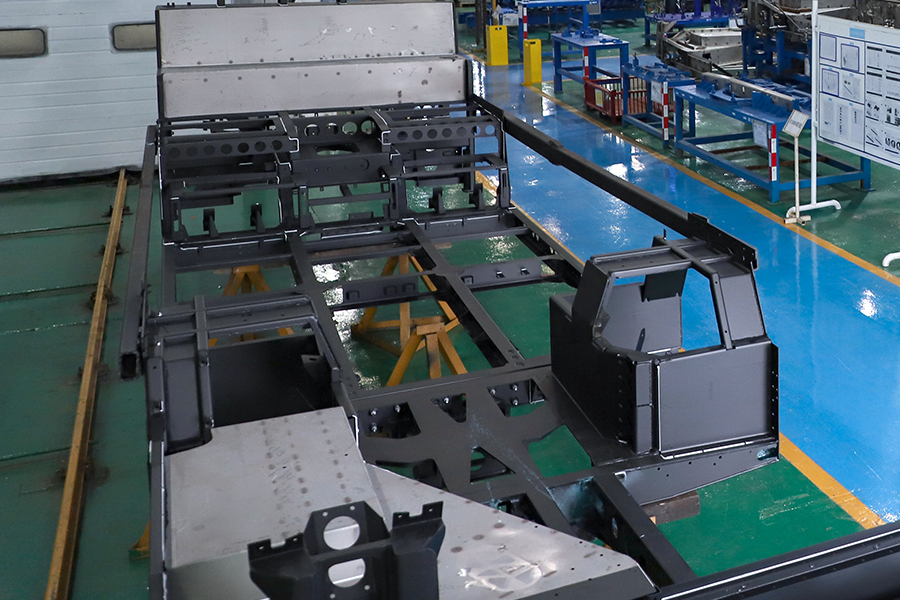
How process optimization drives manufacturing process upgrades: Superior sheet metal processes not only improve the quality of individual parts but also optimize the entire manufacturing process at the system level:
Improved assembly accuracy and efficiency: High precision in front-end laser cutting and stamping significantly reduces subsequent assembly work, lowers cumulative errors, and significantly shortens the production cycle.
Achieving stable, data-driven production: Integration with a Manufacturing Execution System (MES) allows for real-time monitoring and optimization of key process data such as laser power and welding parameters, enabling process quality control and ensuring production stability and traceability.
Supporting design and manufacturing collaboration: The combination of digital sheet metal processes and virtual simulation technology can predict and resolve potential manufacturing issues (such as weldability and formability) during the product design phase, reducing the cost of physical trial and error.
Future trends: Intelligentization, lightweighting, and sustainability
Technological advancements are driving bus chassis sheet metal processes to higher levels:
Intelligent and flexible upgrades: Intelligent laser cutting and welding robots integrating vision guidance and adaptive control will further enhance process adaptability and precision. Flexible manufacturing cells (FMCs) can quickly switch between producing chassis components for different vehicle models, meeting the growing demand for customization and small-batch orders.
Materials and lightweighting innovation: To improve fuel economy and range (especially important for new energy buses), the hybrid application of high-strength steel, aluminum alloys, and even composite materials will become a trend. This presents new requirements for sheet metal processes, such as the need to develop joining technologies suitable for the properties of new materials (e.g., composite processes of riveting, bonding, and welding).
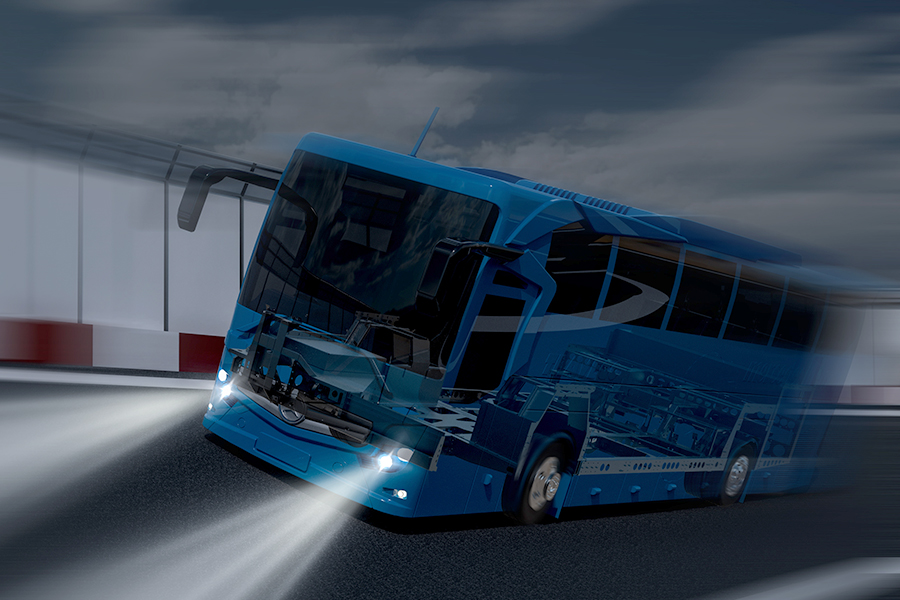
Green manufacturing and sustainable development: The environmental attributes of processes are becoming increasingly important. Future efforts will focus on reducing material waste through optimized layout, using environmentally friendly processing media, and prioritizing the use of recyclable materials. Simultaneously, energy-efficient laser sources and welding power supplies will become key considerations in equipment selection.
In summary, sheet metal processing permeates the entire process of bus chassis production, from design to finished product, and is a crucial technology determining the core competitiveness of the product. Currently, manufacturers are improving quality and efficiency by applying high-precision cutting and automated stamping and welding. Looking to the future, actively embracing digitalization, intelligentization, and new material processes will be the only way to create safer, lighter, and more market-adaptable next-generation bus chassis, and in the process, gain a sustainable competitive advantage.
Precision Metal Transmission Drives Industrial Energy
Bearing seat for lifting rod
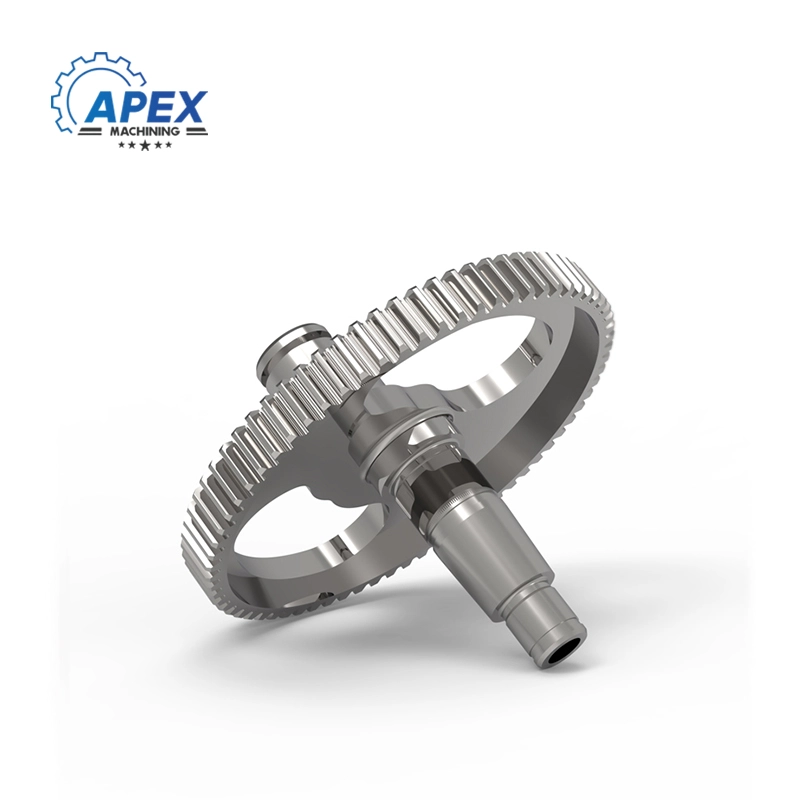
Eccentric gear for lawn mower
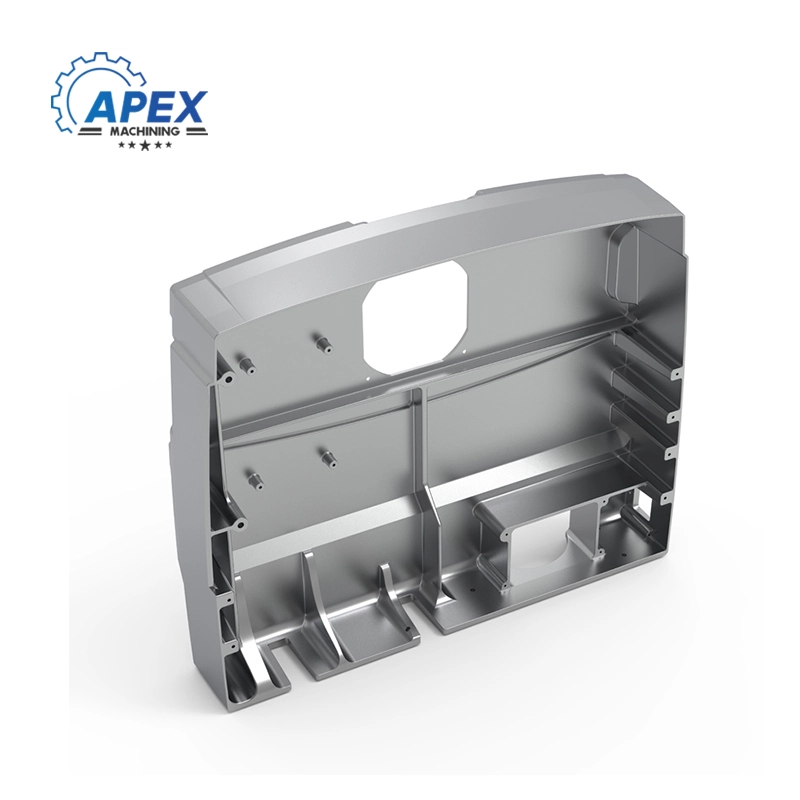
Medical testing side panels
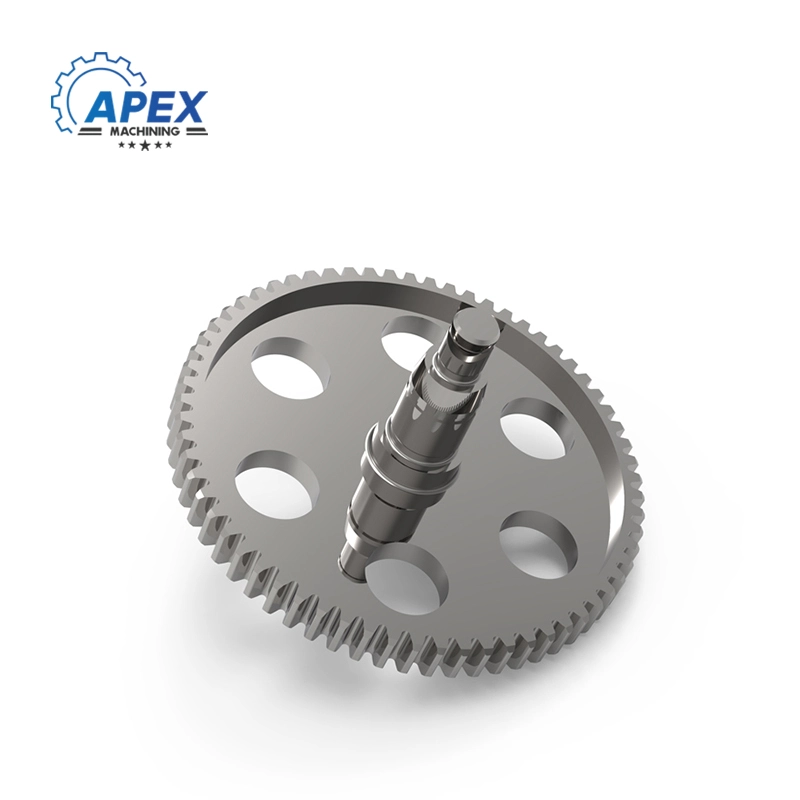
Analysis of eccentric gears for lawn mowers
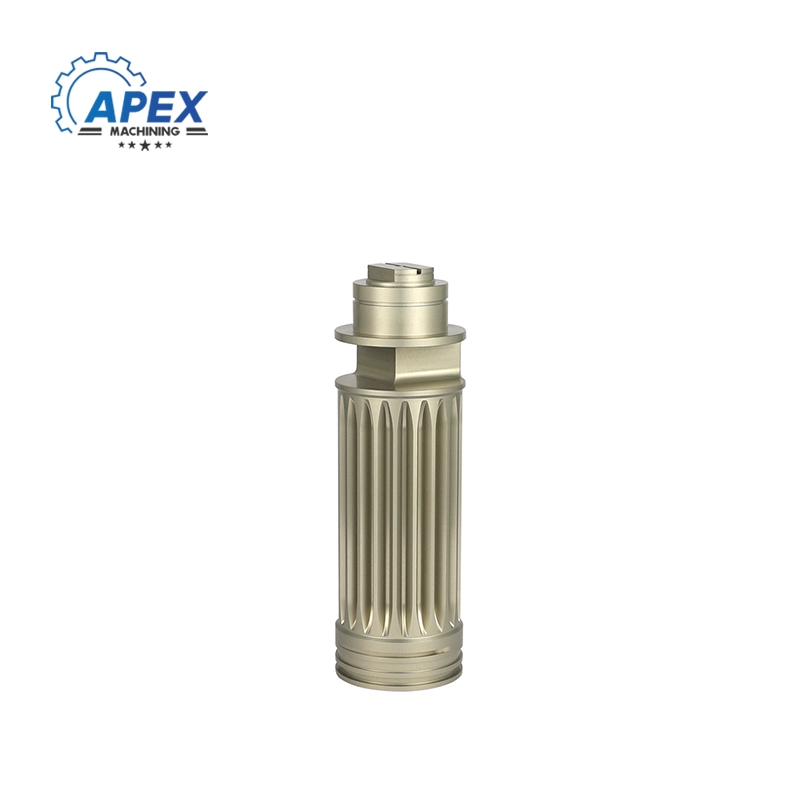
Large valve industrial gear
Blue anodized parts
Centrifuge Handle Seat CNC Manufacture
Print head core - laser printer parts
Inkjet printer bottom plate

 Whatsapp


