
Datetime:2026-02-27
In today's era of rapid upgrading in high-end manufacturing towards higher precision, complexity, and integration, five-axis precision manufacturing has become a key indicator of manufacturing technology level. From critical aerospace components to precision medical devices, from core automotive structures to advanced mold forming, five-axis precision manufacturing, with its unique processing advantages, breaks through the limitations of traditional processing equipment, providing high-precision and high-efficiency solutions for complex structural parts. It is an indispensable core process in modern high-end manufacturing.
Five-axis precision manufacturing refers to a precision manufacturing technology that uses five motion axes in conjunction for cutting on CNC machining equipment. Simply put, a five-axis machine tool can simultaneously control three linear axes (X, Y, Z) and two rotary axes (A, B, C), allowing the tool to perform machining at any angle and orientation in space. Compared to traditional three-axis machining, five-axis precision manufacturing eliminates the need for multiple clamping operations, enabling high-precision cutting of multi-faceted, complex curved surfaces, and irregularly shaped structures in a single setup, truly achieving full-shape machining in a single clamping operation.
The core advantages of this technology lie in its high degree of freedom, high precision, and high efficiency. By adjusting its orientation at multiple angles, the cutting tool can better conform to the workpiece's curved surface, reducing blind spots and resulting in higher surface quality and more stable dimensional accuracy. Simultaneously, integrated machining significantly reduces clamping errors and manual intervention, improving product consistency, making it particularly suitable for producing high-end components with extremely high requirements for precision, strength, and reliability.
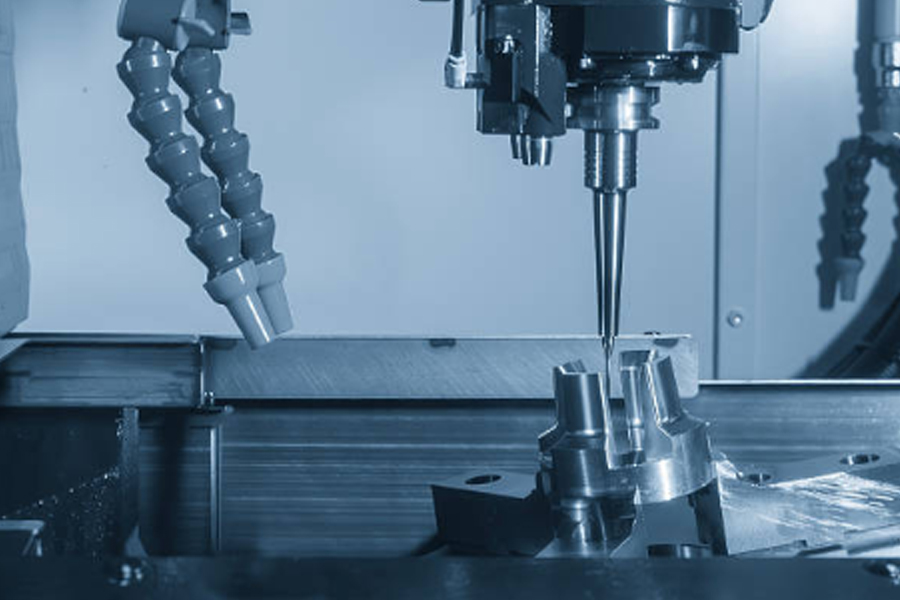
The core application area of five-axis precision manufacturing is the aerospace industry. Parts such as engine blades, casings, integral structural panels, and propellers are mostly complex curved surfaces and irregular structures, demanding stringent precision and strength requirements. Five-axis precision manufacturing can achieve one-time forming of blade curved surfaces, ensuring streamlined shape and aerodynamic performance, improving engine efficiency and safety, while reducing part splicing and increasing overall structural strength.
In the automotive manufacturing sector, five-axis precision manufacturing also plays a crucial role. Whether it's the motor housing and reducer housing of new energy vehicles, or high-performance engine components and chassis structural parts, high-precision and high-stability machining support is required. Five-axis processes can quickly complete the machining of complex cavities, deep cavities, and oblique holes, improving part assembly accuracy, reducing noise and vibration, extending component lifespan, and contributing to the development of lightweight and high-performance automobiles.
The precision mold industry is a key application area for five-axis precision manufacturing. Injection molds, die-casting molds, and rubber molds often have complex curved surfaces in their cavities, directly impacting product appearance and precision. Employing five-axis precision manufacturing significantly improves the surface finish and dimensional accuracy of molds, reduces manual polishing, shortens mold manufacturing cycles, and increases mold lifespan and product yield.
In the medical device field, five-axis precision manufacturing is equally irreplaceable. Artificial joints, surgical instruments, and minimally invasive equipment components have complex structures, extremely high precision requirements, and must meet biocompatibility and safety standards. Five-axis precision manufacturing enables the fine machining of minute curved surfaces and irregularly shaped structures, ensuring precise product dimensions and burr-free surfaces, meeting the stringent standards for medical devices.
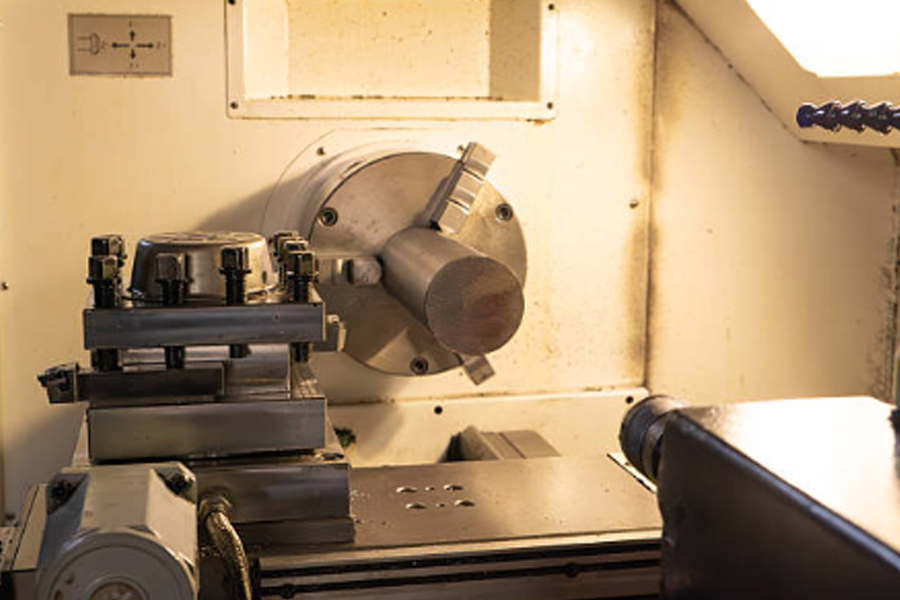
Furthermore, five-axis precision manufacturing is widely used in shipbuilding, precision instruments, semiconductor equipment, and robot joints. Almost any component involving complex curved surfaces, irregularly shaped structures, and high precision requirements relies heavily on five-axis precision manufacturing.
The role of five-axis precision manufacturing in various fields can be summarized in three points:
With the continuous development of high-end manufacturing, five-axis precision manufacturing will continue to iterate and upgrade, playing a core role in more key areas and becoming a vital force driving the manufacturing industry towards higher precision, intelligence, and high-end features.
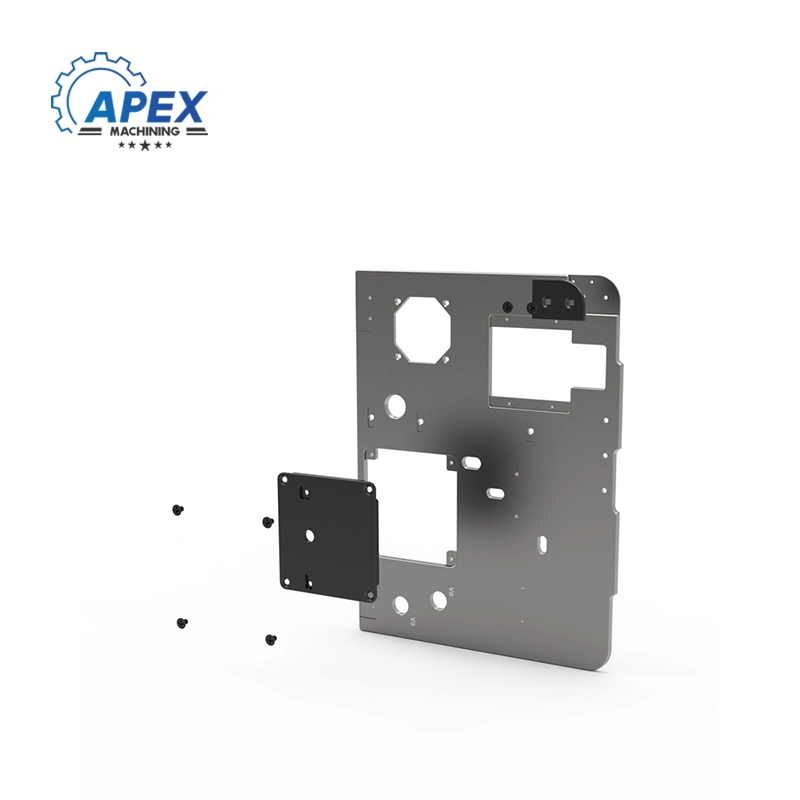
Precision Metal Transmission Drives Industrial Energy
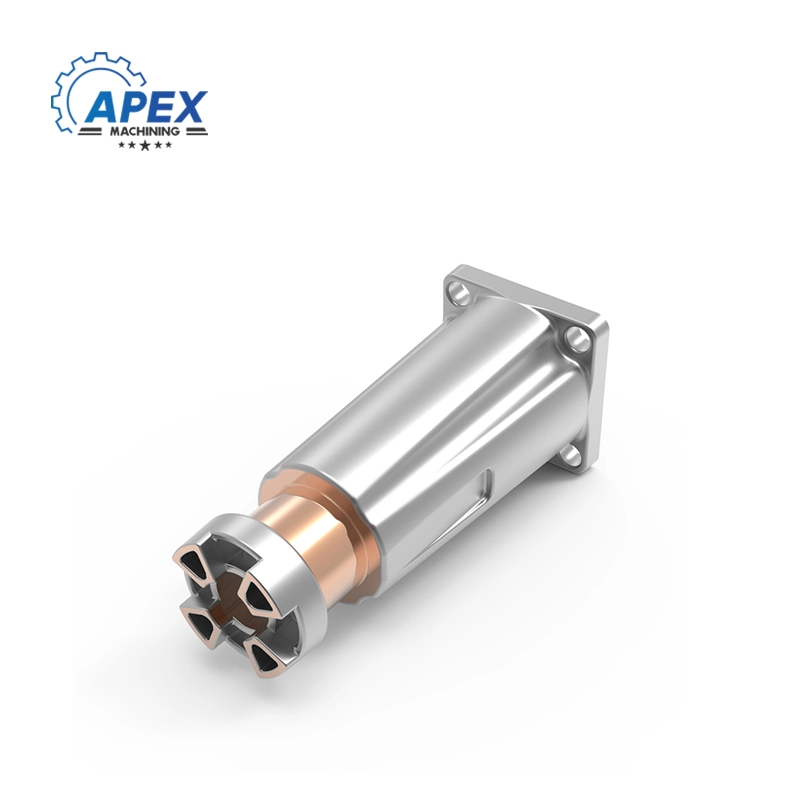
Bearing seat for lifting rod
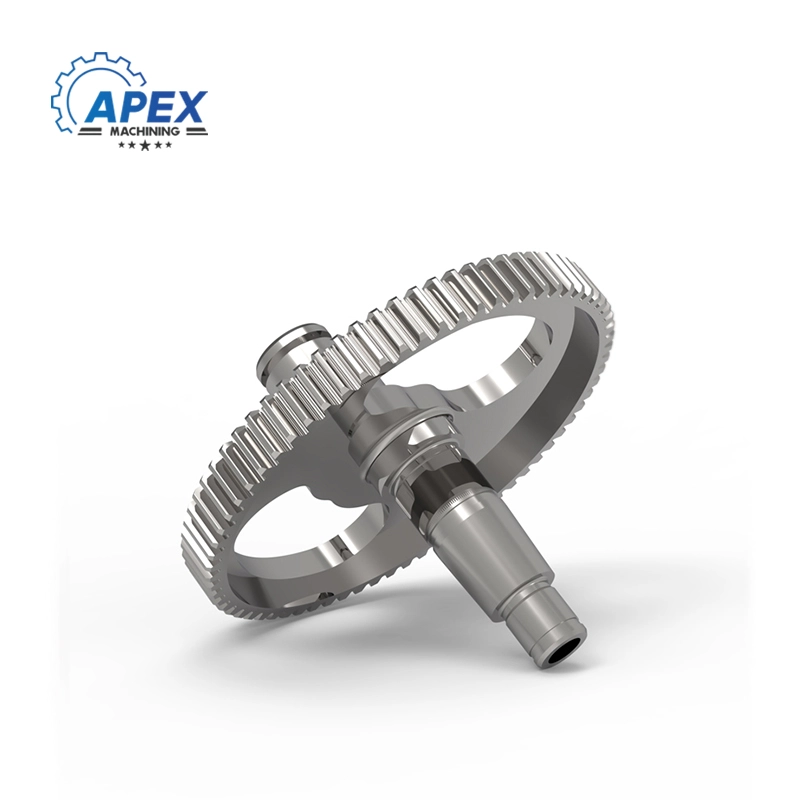
Eccentric gear for lawn mower
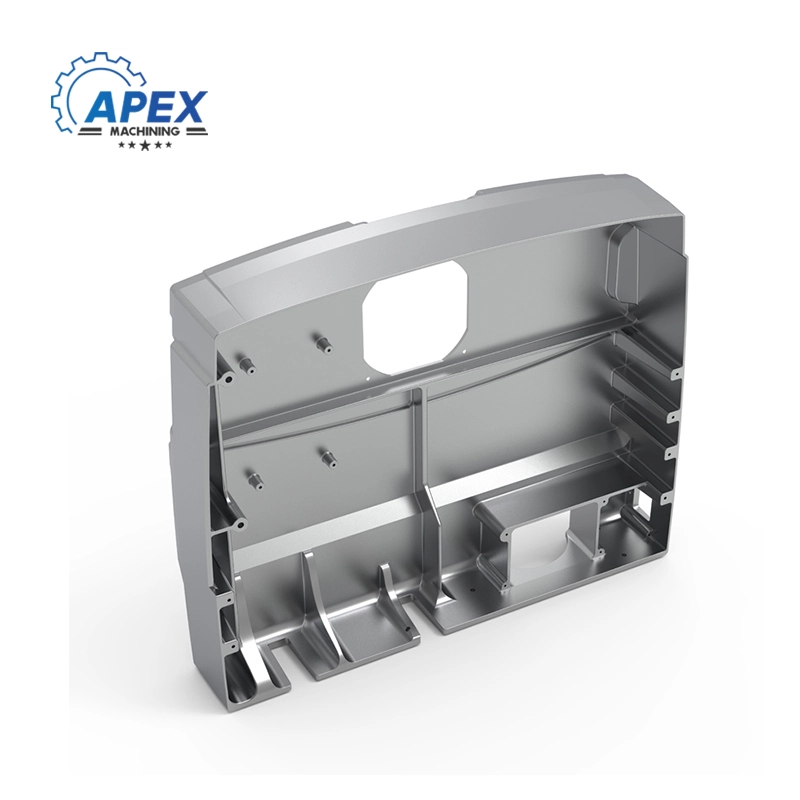
Medical testing side panels
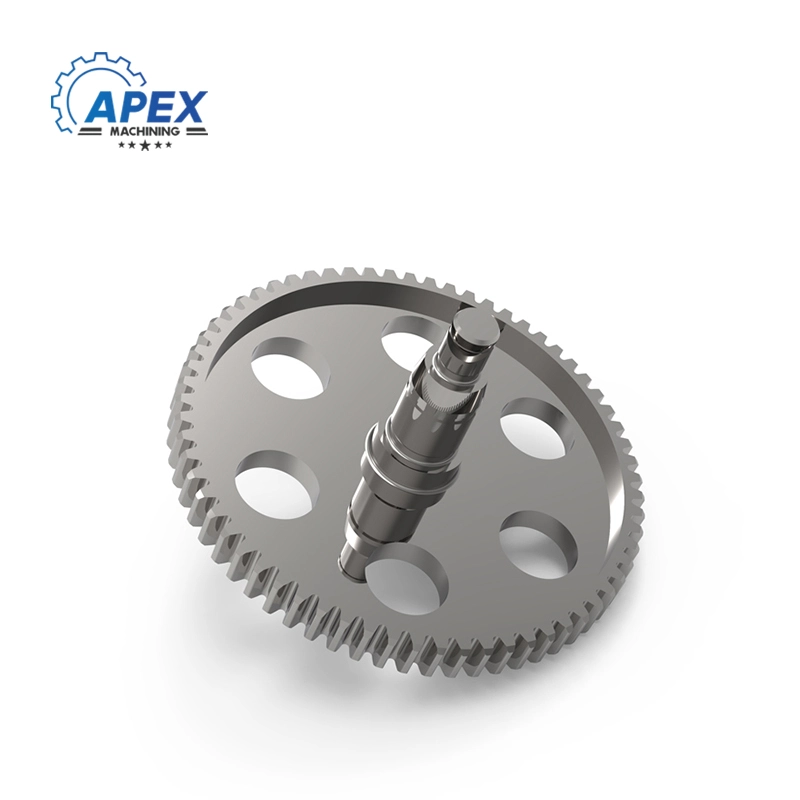
Analysis of eccentric gears for lawn mowers
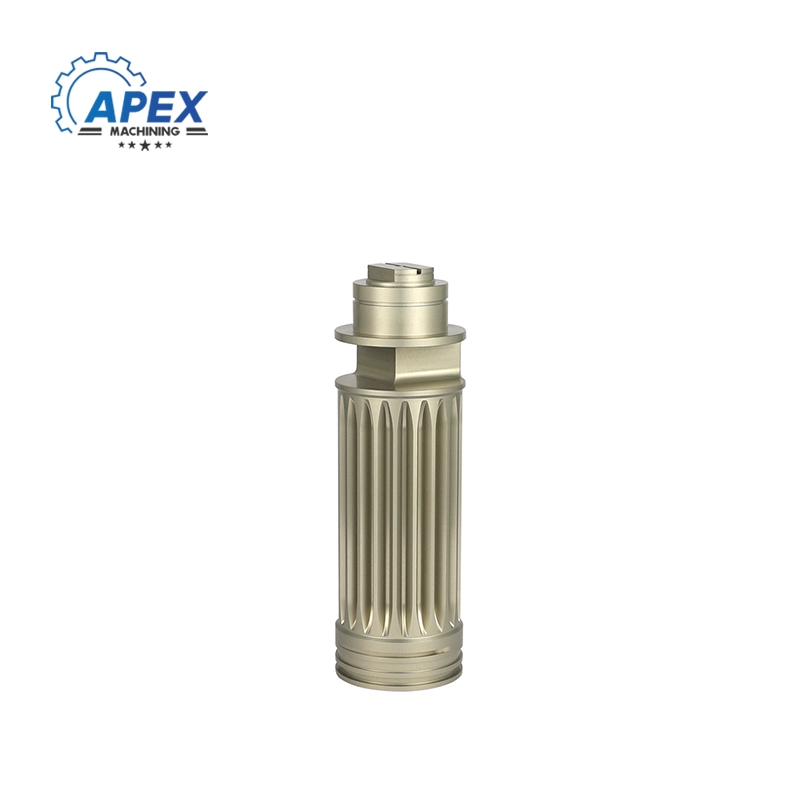
Large valve industrial gear
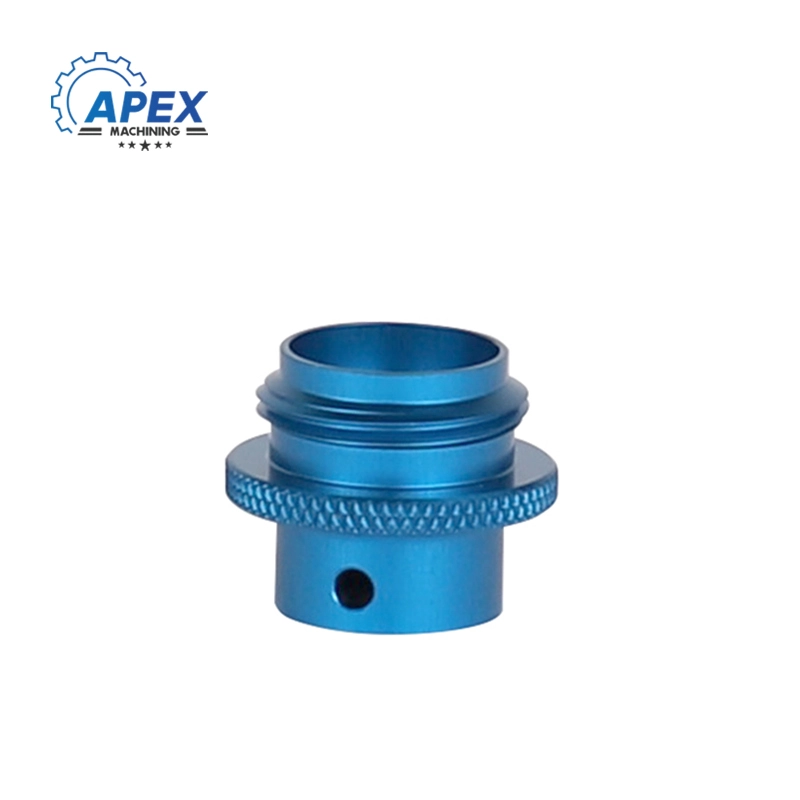
Blue anodized parts
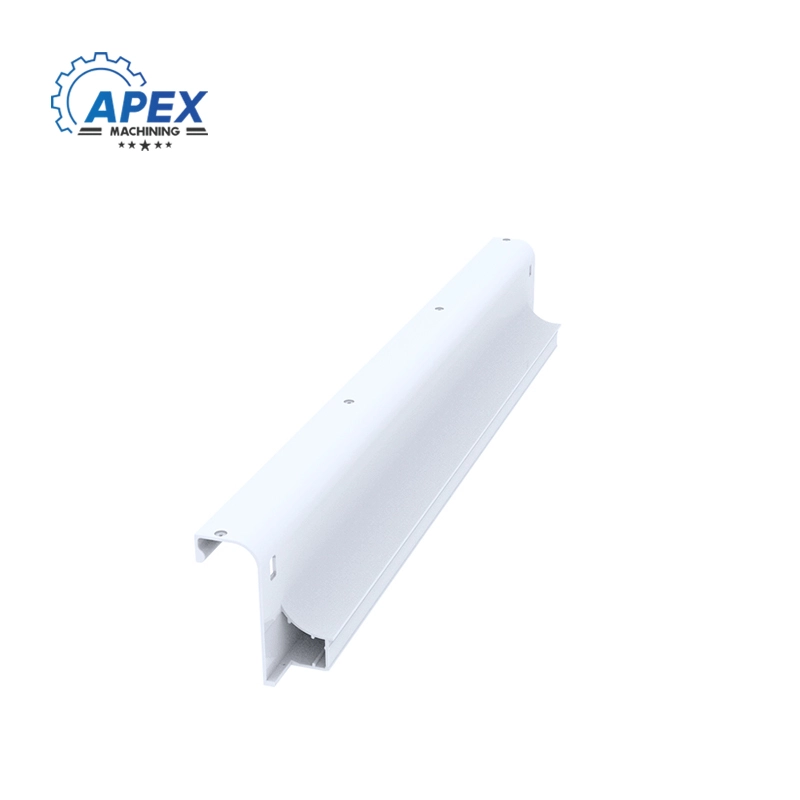
Centrifuge Handle Seat CNC Manufacture
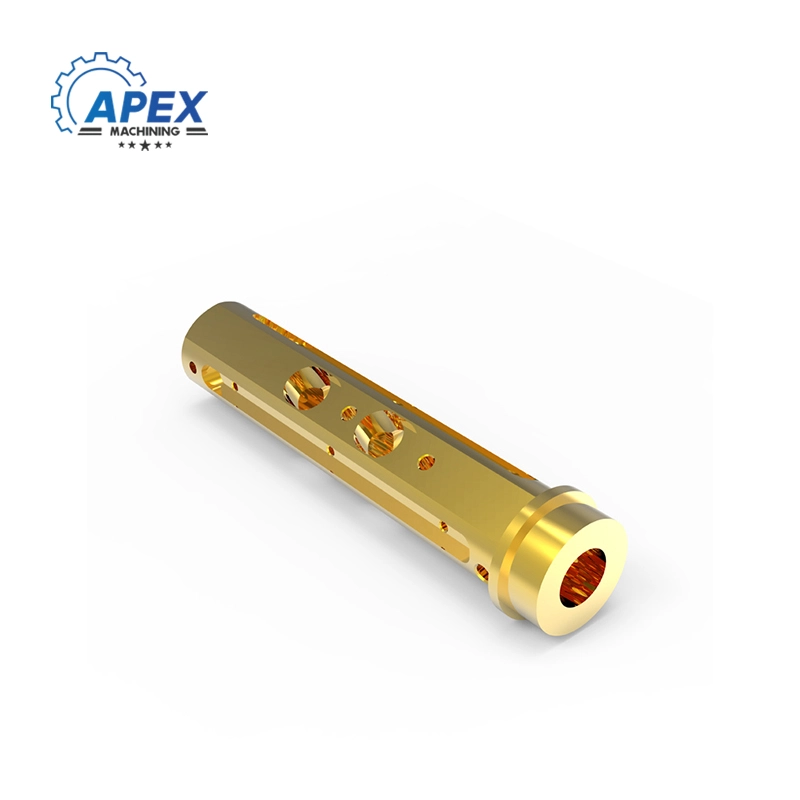
Print head core - laser printer parts
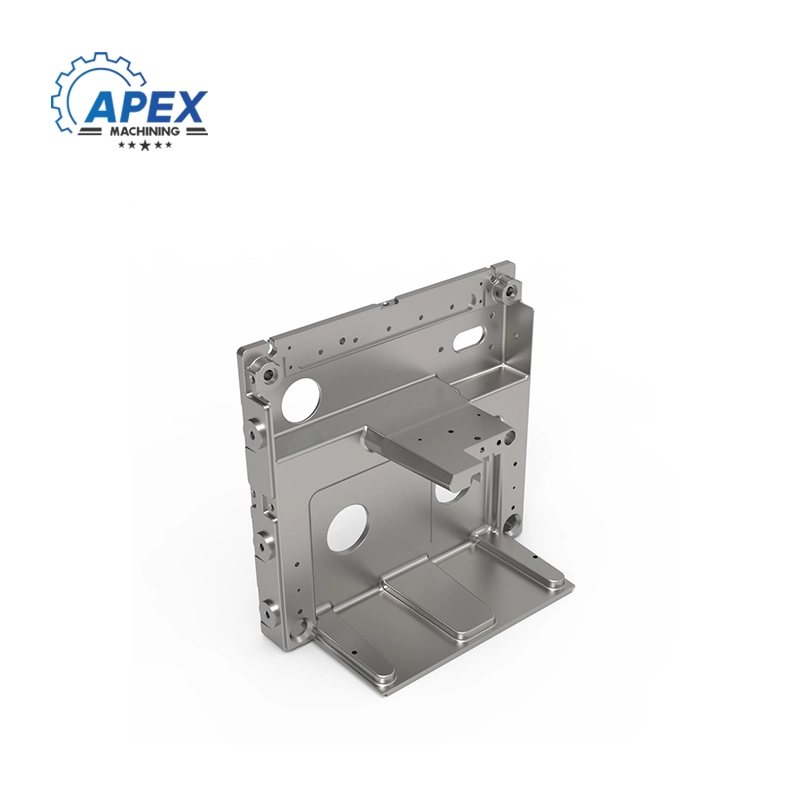
Inkjet printer bottom plate

 Whatsapp


