
Datetime:2026-02-03
In life science laboratories, core components like precision reagent dispensers directly affect the accuracy of experimental data. In medical devices, the edge precision of minimally invasive surgical instruments is crucial for patient safety. The manufacturing quality of these core components is key to maintaining competitiveness in the life sciences and medical industries.
However, traditional grinding processes often face issues of dimensional inaccuracies, especially when dealing with complex curved parts where manual operations struggle to ensure consistency. Additionally, when processing hard materials like ceramics or carbide, conventional equipment can experience uneven wheel wear, leading to substandard surface roughness. How can these machining bottlenecks be overcome to achieve high-precision, high-consistency parts manufacturing? Grinding technology is the key to solving this challenge.
Grinding technology uses a digital control system to precisely control the relative motion and parameters between the grinding wheel and the workpiece, enabling high-precision surface grinding. Unlike traditional grinding processes, which rely on manual adjustments of wheel position and feed rates, modern grinding systems complete the process automatically through preset programs, minimizing human error and ensuring micrometer-level or even higher precision. The core advantage lies in converting complex machining paths into digital instructions, driving the equipment to perform precise movements and ensuring consistent quality for each part.
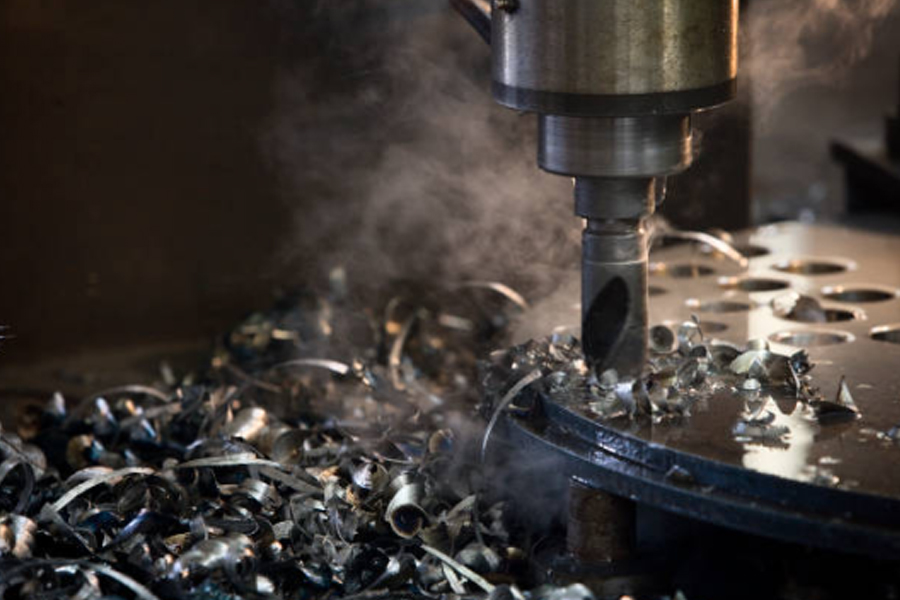
Traditional grinding processes often encounter three key issues when processing high-precision parts:
Grinding technology effectively addresses these challenges:
Grinding technology offers several key advantages, making it the preferred choice for high-precision part manufacturing:
Grinding machines are highly automated, capable of completing the entire process via preset programs, which reduces human involvement. Core components such as high-precision guide rails and servo motors are made from durable materials, ensuring long service life. The research and development teams continually optimize equipment performance, developing specialized processes to meet the unique needs of the life sciences and medical fields.
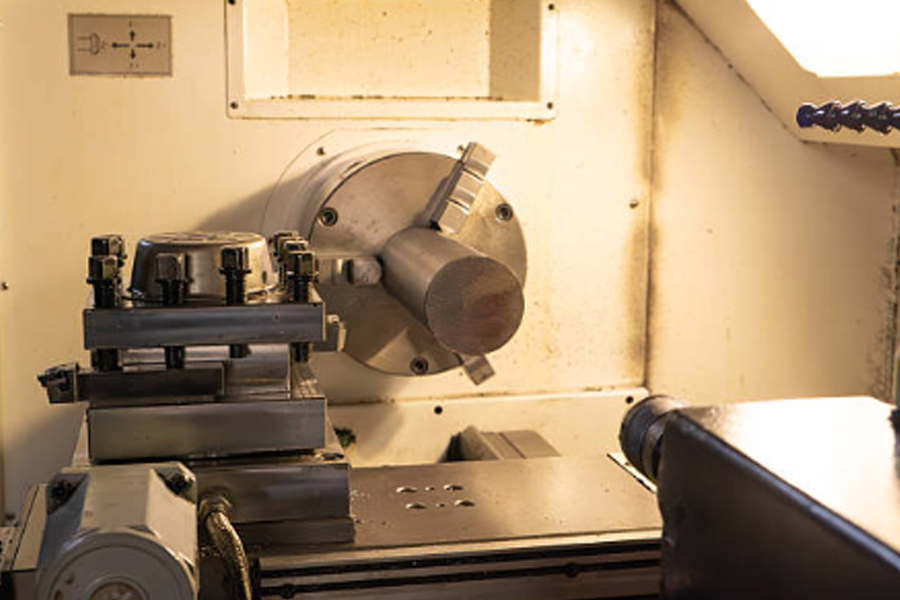
Grinding technology is widely used across multiple industries, playing a significant role in life science and medical device manufacturing. In the life sciences sector, it is used to machine precision pistons for reagent dispensers, high-precision fixtures for laboratory equipment, and other critical components that ensure accurate experimental data. In the medical device sector, it is employed for edge grinding of minimally invasive surgical instruments and surface treatments of implantable devices, ensuring the safety and reliability of medical equipment.
Furthermore, grinding technology is used in automotive parts manufacturing, such as the precision grinding of engine valves; in mold manufacturing, for high-precision mold cavity machining; and in the electronics industry, for semiconductor chip packaging parts. According to industry reports, the global grinding equipment market is expected to reach $32 billion by 2025, with demand from the medical and life sciences sectors growing at an annual rate of over 15%, reflecting the continued potential for growth in high-precision manufacturing.
As the life science and medical device industries continue to grow rapidly, the demand for high-precision parts is increasing, presenting a promising market outlook for grinding technology. In the future, grinding technology is expected to evolve toward greater intelligence and customization:
Grinding technology, as a core technique in high-precision manufacturing, plays an irreplaceable role in overcoming the challenges of traditional machining methods and improving part quality. Its widespread applications and growing market demand make it an essential choice for manufacturers of life science and medical device components. By adopting grinding technology, companies can achieve higher precision, greater efficiency, and meet the strict requirements of the industry, driving the growth of their businesses.
Precision Metal Transmission Drives Industrial Energy
Bearing seat for lifting rod
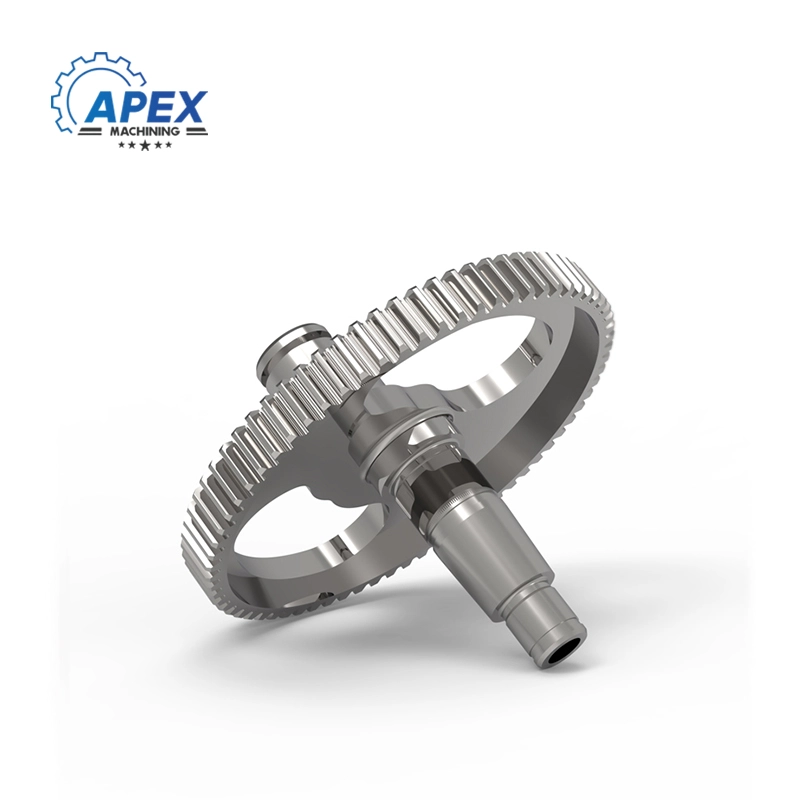
Eccentric gear for lawn mower
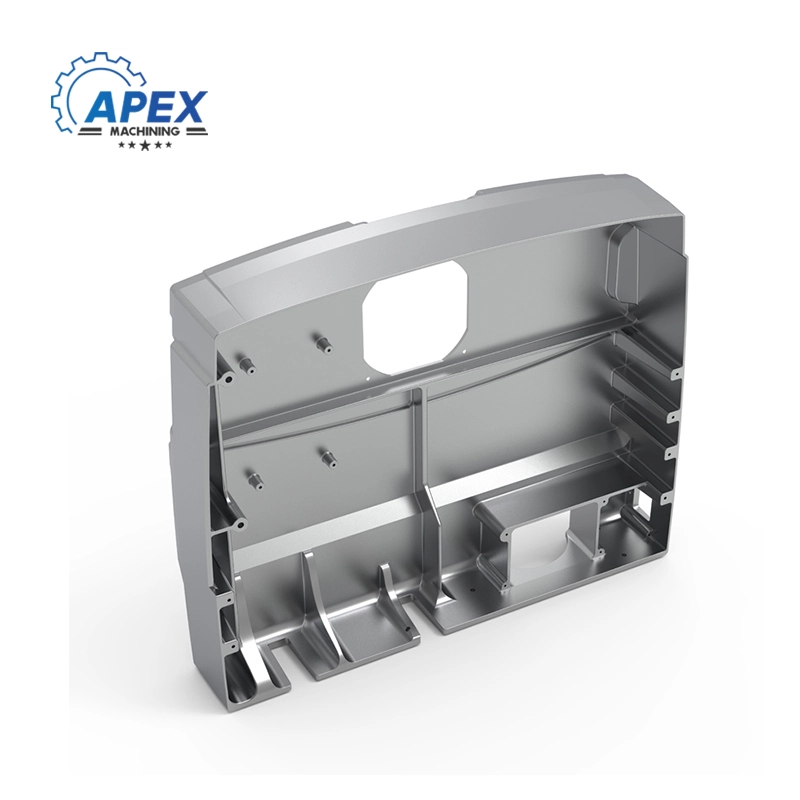
Medical testing side panels
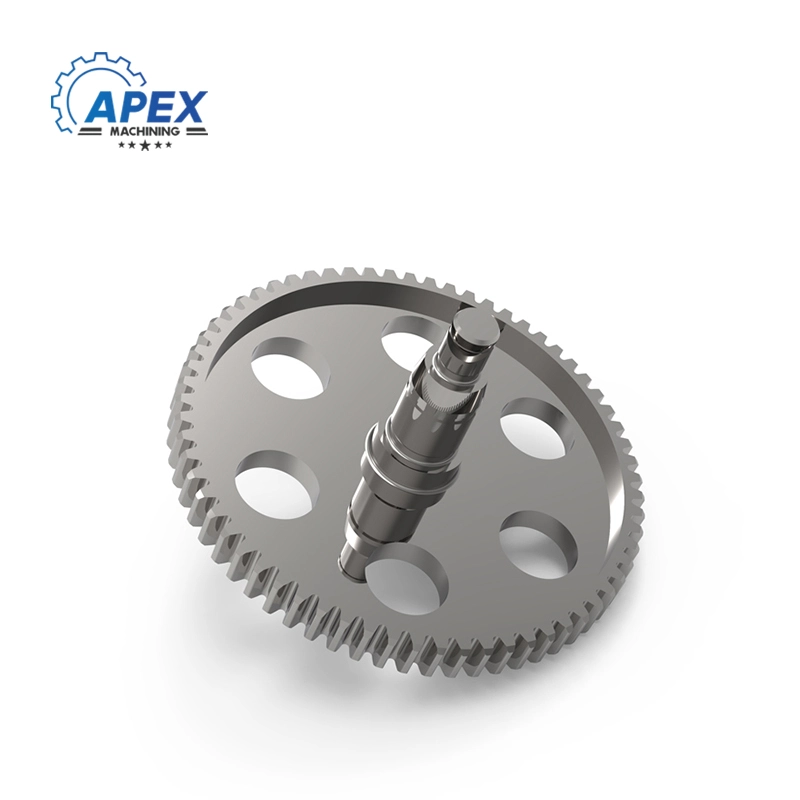
Analysis of eccentric gears for lawn mowers
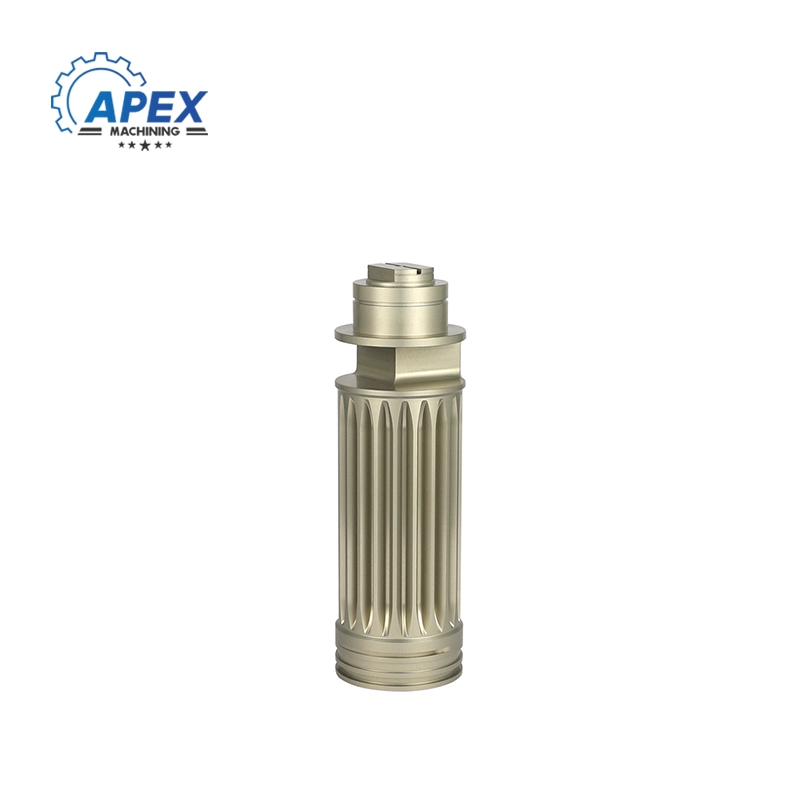
Large valve industrial gear
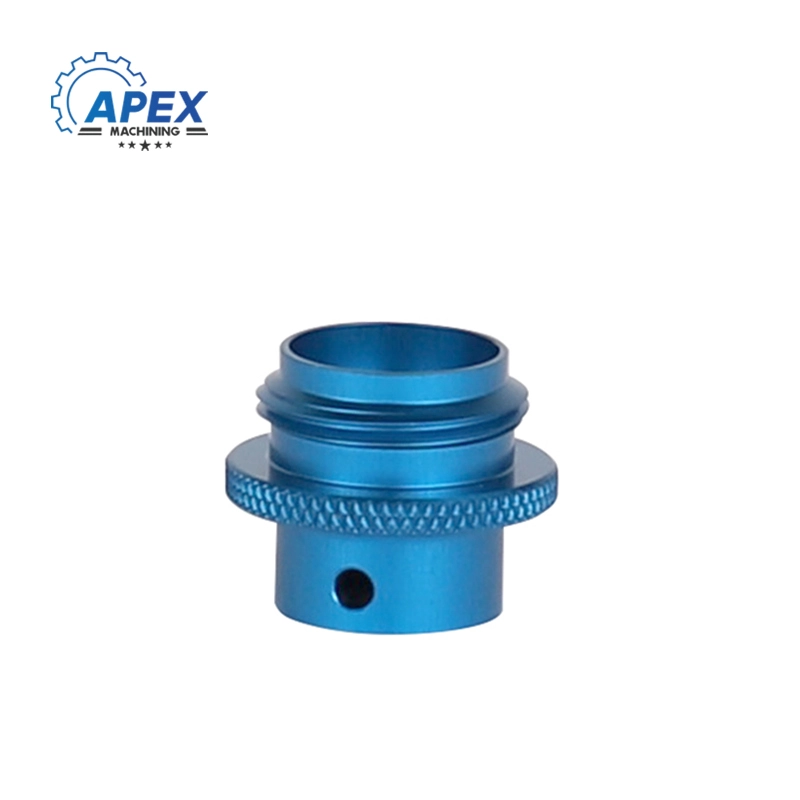
Blue anodized parts
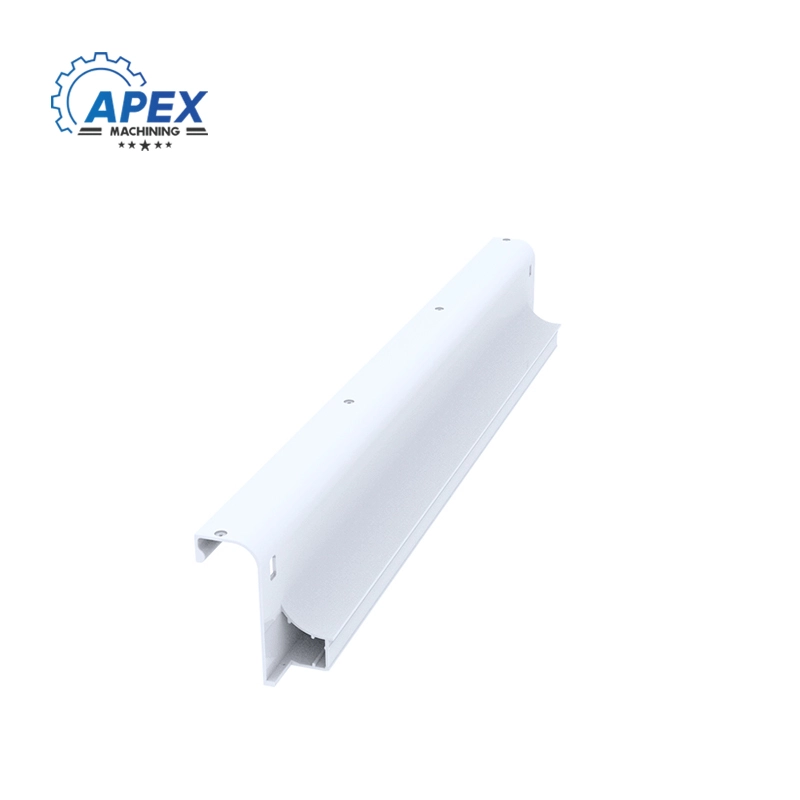
Centrifuge Handle Seat CNC Manufacture
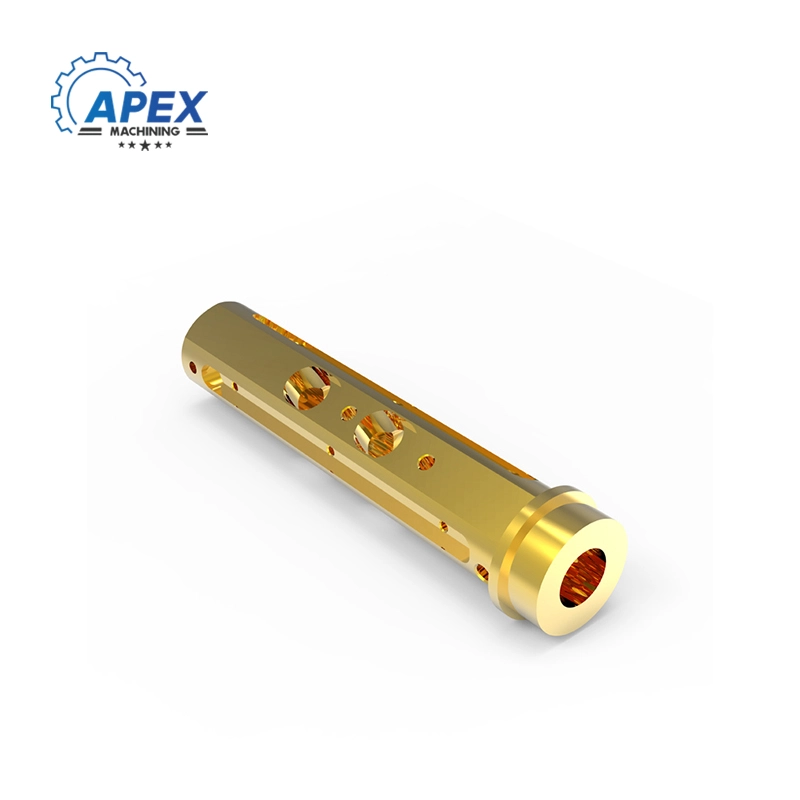
Print head core - laser printer parts
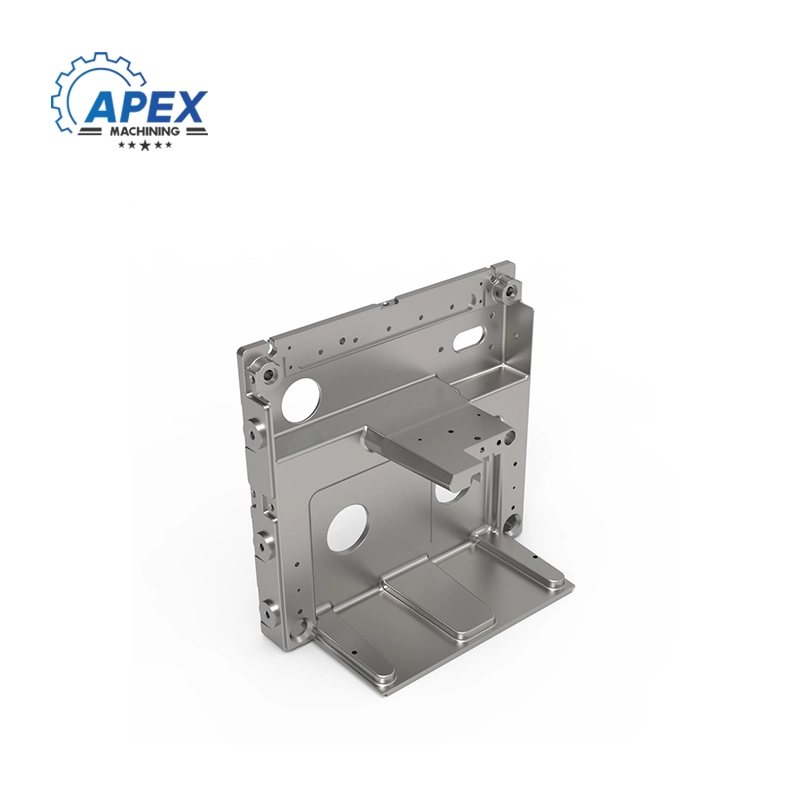
Inkjet printer bottom plate

 Whatsapp


