
Datetime:2025-12-19
In the medical field, we recognize that medical sheet metal fabrication is a fundamental component supporting a wide range of medical applications and equipment. Essentially, medical sheet metal fabrication transforms raw metal sheets into functional components for medical devices. This process involves various techniques, including cutting, bending, and welding, requiring a deep understanding of materials and design specifications. As we delve deeper into this field, it becomes clear that process technology and advanced equipment play a crucial role in ensuring that the final product meets stringent industry standards.
We have found that medical sheet metal fabrication is used across numerous areas of the medical industry. From surgical instruments and diagnostic equipment to hospital furniture and even implantable devices, sheet metal components offer exceptional versatility. These applications demonstrate our commitment to quality and reliability—many critical medical procedures rely on these precision-manufactured components. By focusing on manufacturing durable, safe products, we can actively drive improvements in patient care and operational efficiency within healthcare institutions.
Furthermore, we must emphasize the extremely high precision requirements of medical devices derived from sheet metal fabrication. Even minute deviations can have serious consequences, making accuracy in the manufacturing process paramount. By utilizing advanced technologies such as laser cutting and CNC machining, we ensure that every part strictly conforms to design specifications. This meticulous attention to detail not only guarantees product functionality but also enhances safety for users and patients. As technology and industry standards continue to evolve, we remain committed to precision manufacturing, driving advancements in medical solutions through high-quality production practices.
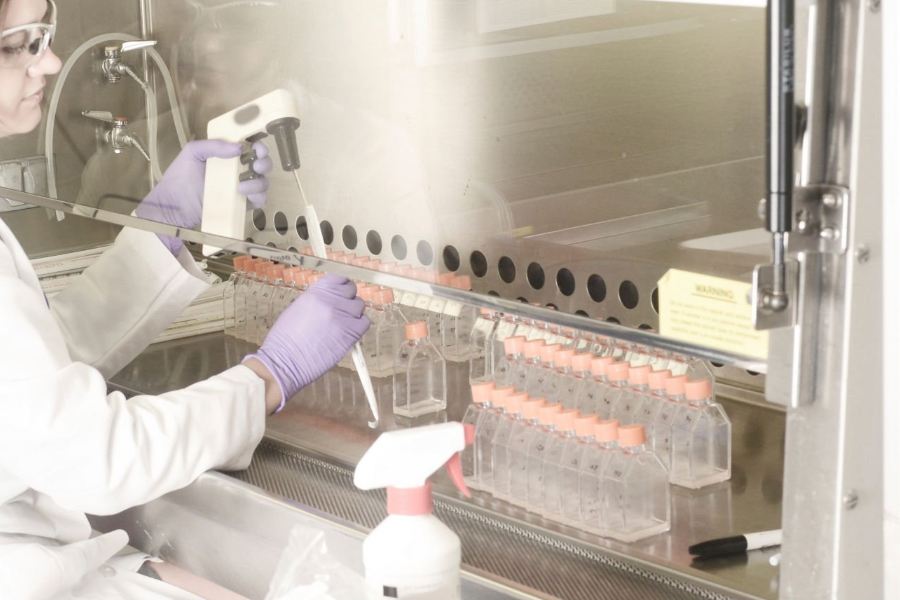
Common Metals and Alloys
In exploring medical sheet metal fabrication, we encounter a variety of metals and alloys essential for manufacturing high-quality medical devices. Commonly used materials include:
● Stainless steel: Excellent corrosion resistance and strength, suitable for surgical instruments and implants;
● Aluminum: Lightweight and durable, contributing to improved overall efficiency of medical devices;
● Titanium: Favored for its excellent biocompatibility, suitable for safe implantation.
When using these materials, we ensure that each material meets the requirements of the specific medical application.
Selecting appropriate materials brings numerous benefits to medical devices and enhances patient safety.
● Stainless steel offers excellent durability, adapting to harsh medical sterilization environments;
● Aluminum's lightweight properties reduce fatigue for healthcare workers during prolonged use;
● Titanium seamlessly integrates with the human skeletal structure, significantly improving the clinical outcomes of implantable products.
By investing time in material selection, we have improved the overall performance and reliability of our medical devices.
With the continuous advancement of medical sheet metal fabrication technology, sustainability has become a key focus for us.
● We prioritize efficient and environmentally friendly materials;
● Using recycled metals reduces waste and carbon footprint;
● Exploring new alloys and surface treatments that enhance material performance while reducing environmental impact.
These practices demonstrate our commitment to balancing operational excellence and ecological responsibility throughout the entire manufacturing process.
In medical sheet metal fabrication, we utilize a variety of technologies to ensure production efficiency and processing precision:
● Laser cutting: Enables complex structures and highly precise shapes;
● CNC machining: Ensures repeatable and consistently accurate manufacturing output;
● TIG welding: Used to ensure the strength and structural integrity of connected components.
Simultaneously, we continuously enhance automation to improve overall productivity and reduce human error. These processes not only improve our ability to deliver high-quality medical devices but also help us meet the high standards of the medical manufacturing industry. Through continuous process optimization and the adoption of innovative technologies, we ensure that medical sheet metal processing remains at the forefront of industry technology.
In our pursuit of excellence, we rigorously implement quality control standards to ensure that all products meet the highest safety and performance standards. These standards include:
● Meticulous inspection throughout the entire production process;
● Monitoring and analyzing the production process using statistical quality control technologies;
● A quality management system that adheres to international ISO standards;
● Ensuring product strength and structural reliability through destructive and non-destructive testing;
● Enhancing transparency and accountability through comprehensive documentation and traceability systems.
These measures not only safeguard patient safety but also enhance the industry reputation of the medical devices we manufacture.
As the medical sheet metal fabrication industry continues to evolve, numerous innovative technologies are reshaping manufacturing methods and enhancing the quality of healthcare services:
● Automation and robotics improve the precision and consistency of processes such as cutting and welding;
● CNC technology accelerates the processing of complex components, shortening lead times;
● Digital twin technology can be used to simulate production processes and optimize manufacturing strategies;
● Cloud-based manufacturing systems improve the efficiency of cross-regional collaboration;
● The trend towards customized healthcare drives personalized equipment and new material design;
● Sustainable manufacturing practices promote environmental protection through the use of recyclable materials and reduction of production waste.
These innovations not only enhance production capacity but also improve healthcare quality and standards globally.
Reviewing the significant impact of medical sheet metal fabrication, we can clearly see that this field is not only a manufacturing technology but also a cornerstone of the modern healthcare industry. From surgical tools to diagnostic equipment, precise sheet metal fabrication is crucial for equipment reliability and the operational safety of healthcare professionals. As the industry continues to innovate, improve quality and efficiency, and promote the use of sustainable materials, medical sheet metal processing will continue to enhance medical quality and patient experience in the future, providing strong support for the global healthcare industry.
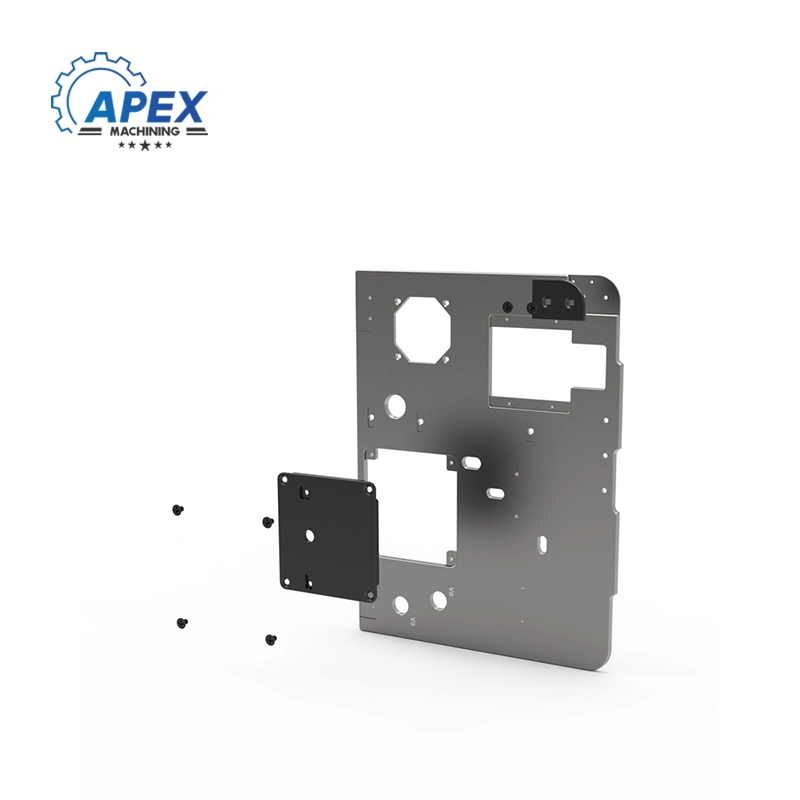
Precision Metal Transmission Drives Industrial Energy
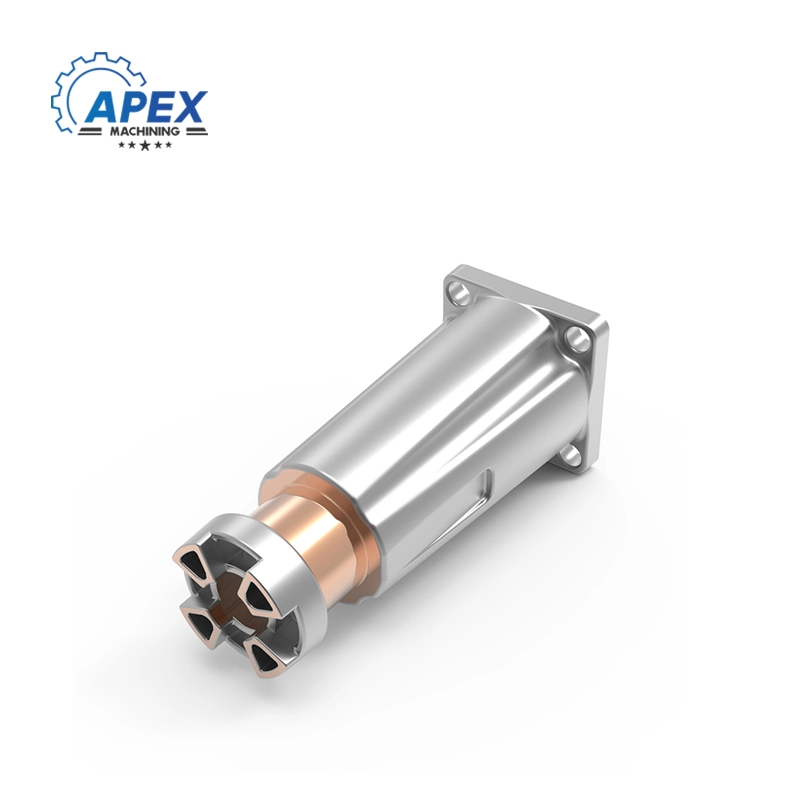
Bearing seat for lifting rod
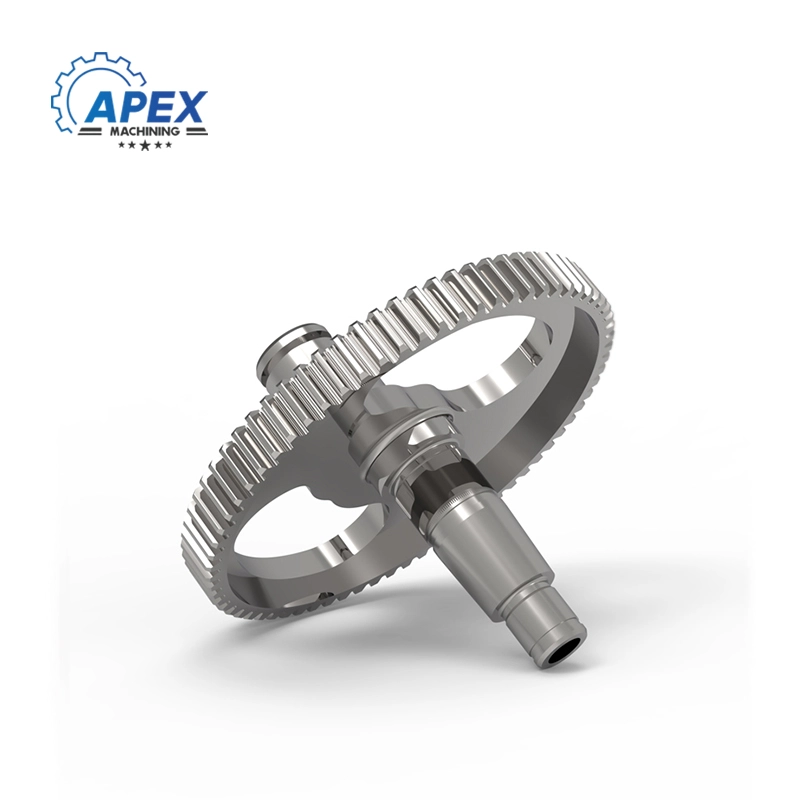
Eccentric gear for lawn mower
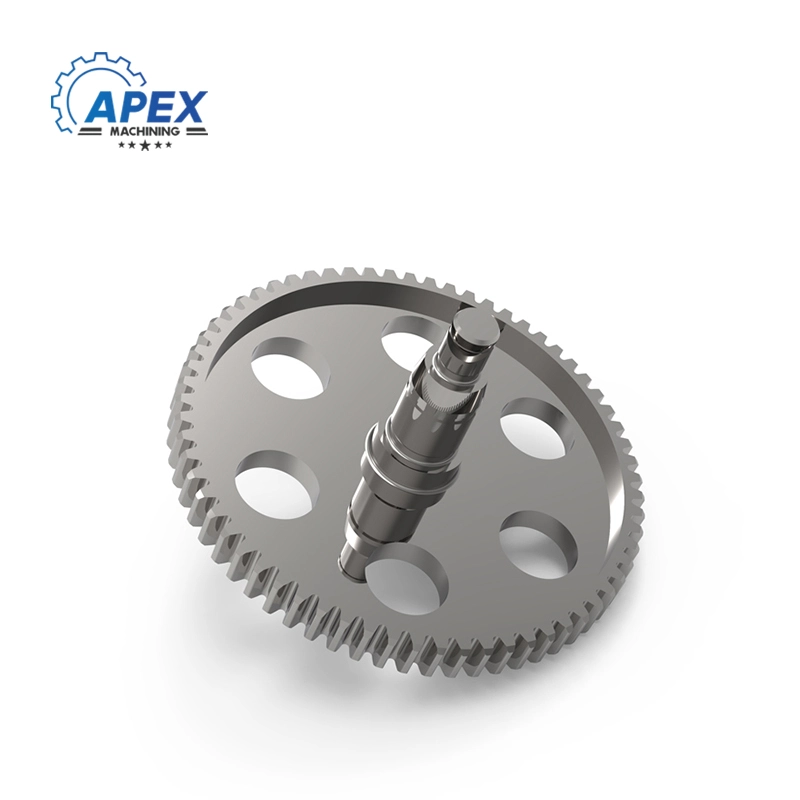
Analysis of eccentric gears for lawn mowers
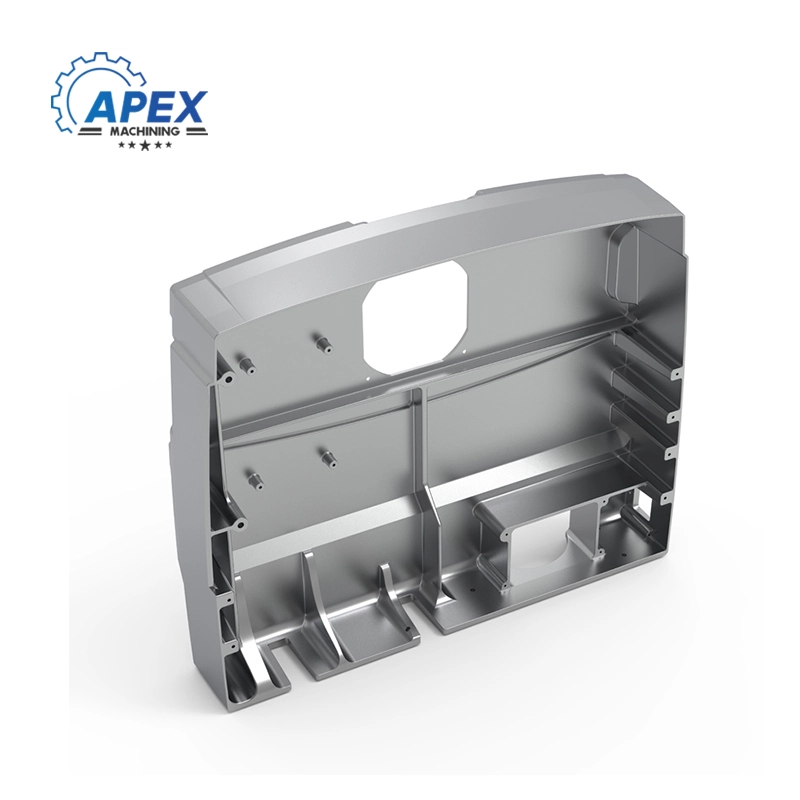
Medical testing side panels
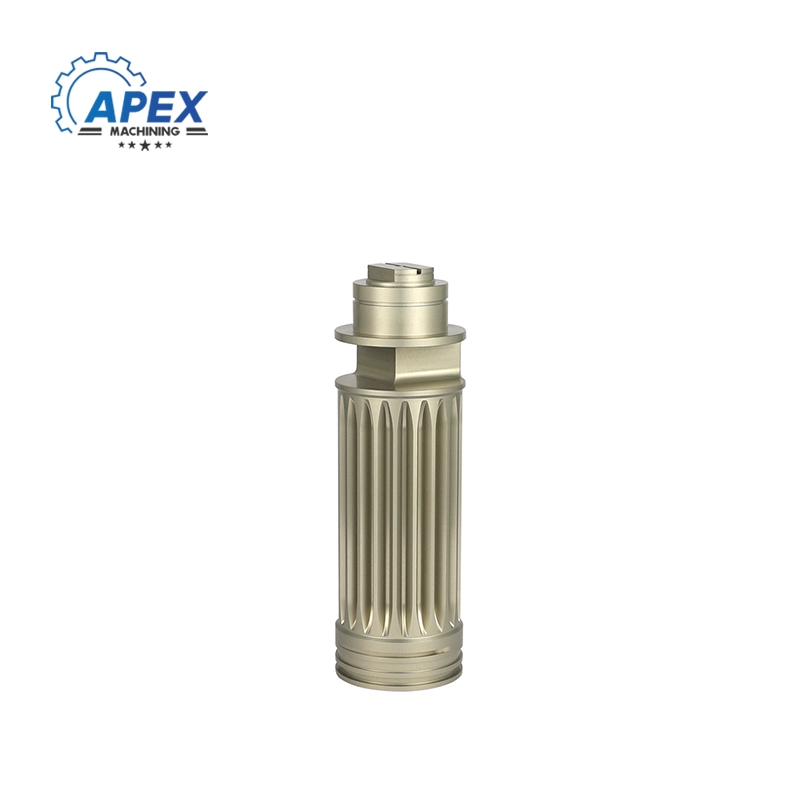
Large valve industrial gear
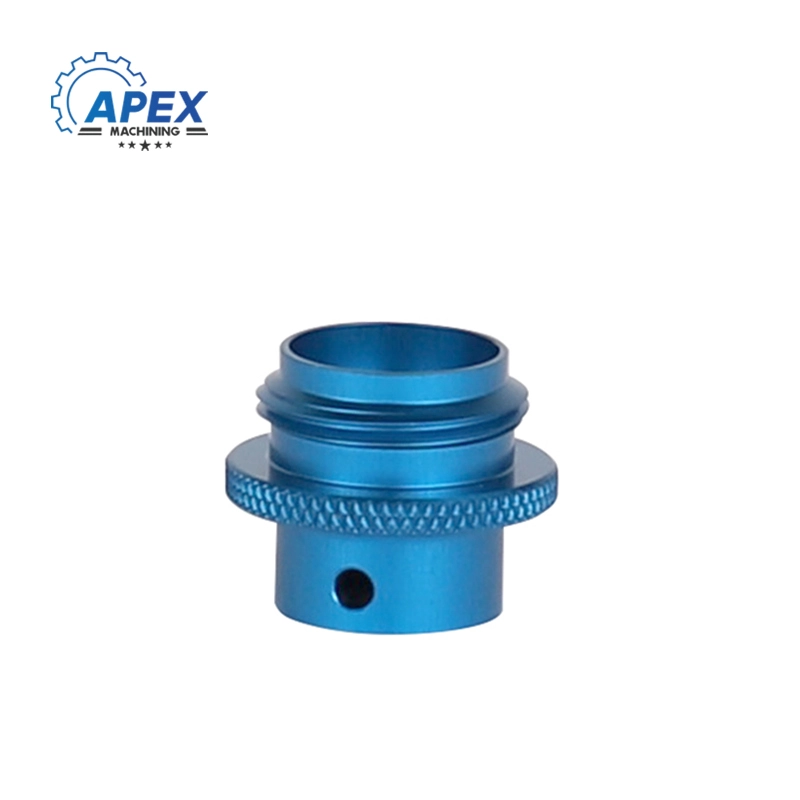
Blue anodized parts
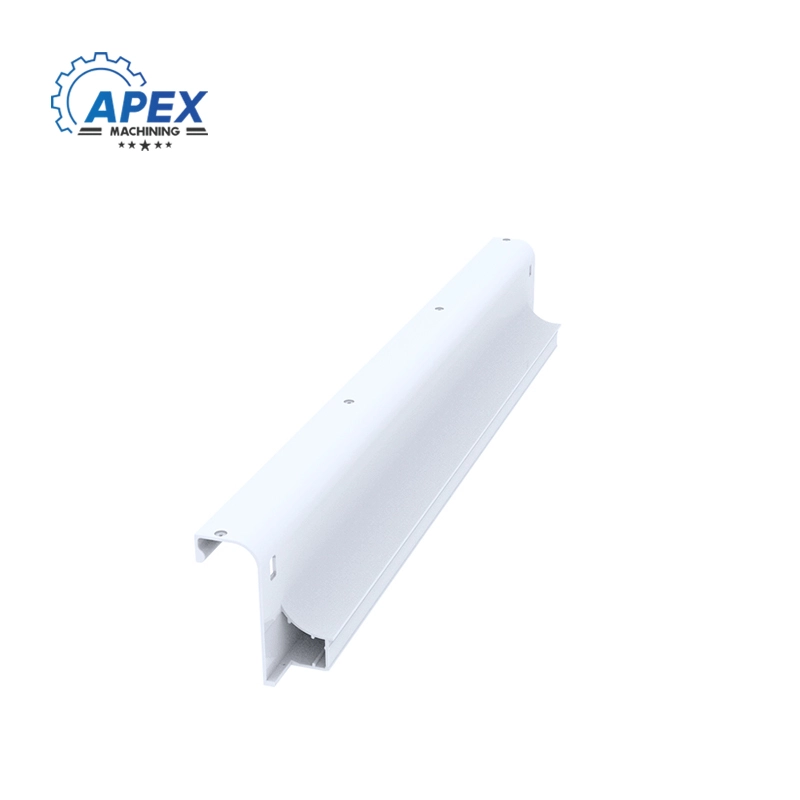
Centrifuge Handle Seat CNC Manufacture
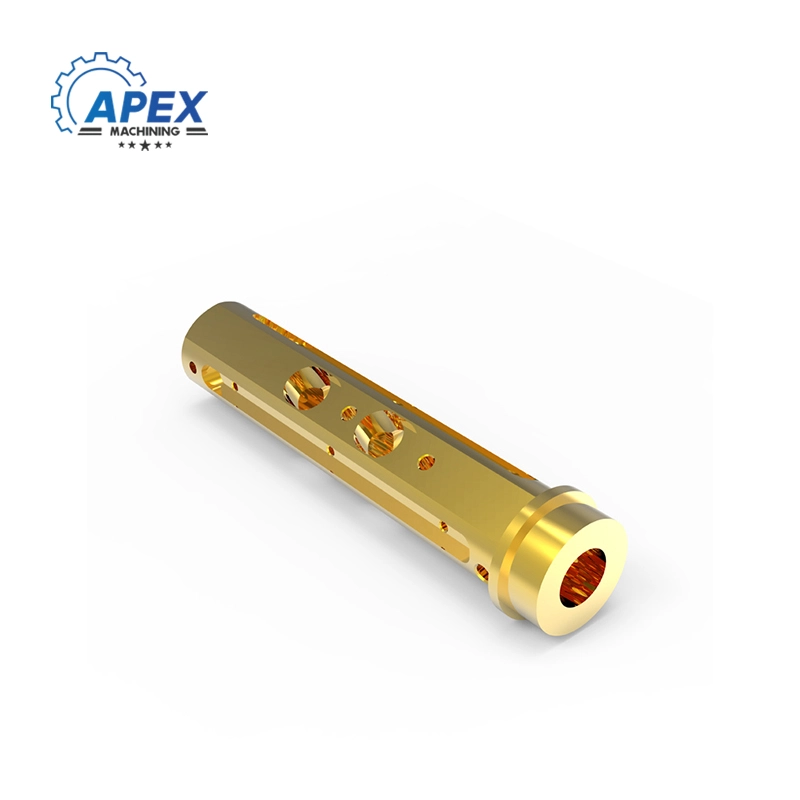
Print head core - laser printer parts
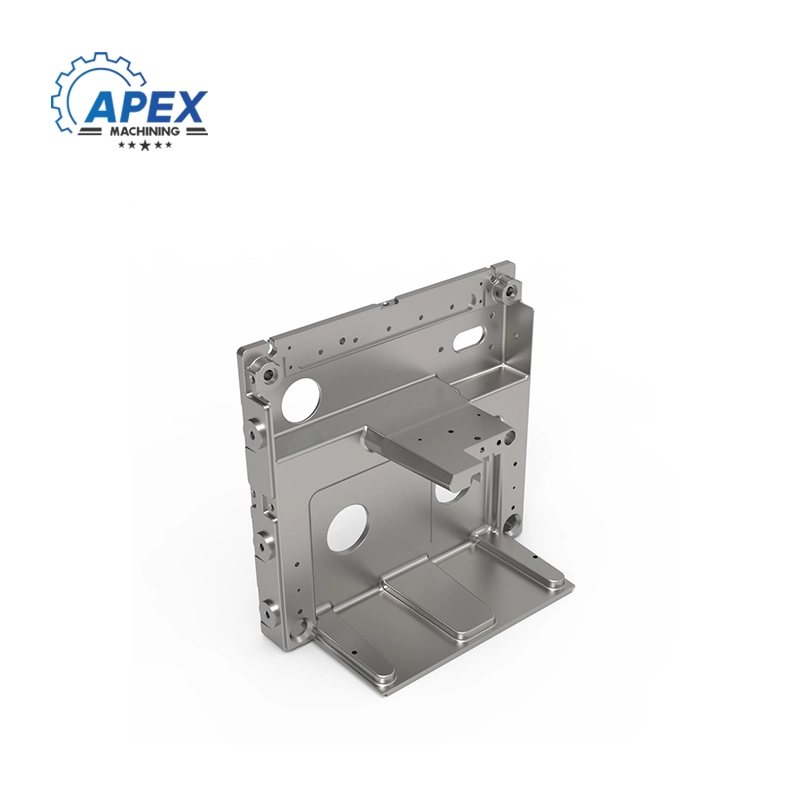
Inkjet printer bottom plate

 Whatsapp


