
Datetime:2025-12-13
A biosafety cabinet is a specially designed device to provide safe isolation of biological materials in laboratory and medical environments. When using a biosafety cabinet, the first thing to understand is its core function: preventing harmful microorganisms and viruses from contaminating operators and the environment. Through effective filtration and airflow control, these devices create a safe and controlled workspace, ensuring our experiments are unaffected by external factors. Furthermore, biosafety cabinets can protect sensitive samples, preventing cross-contamination and thus improving the reliability and accuracy of experimental results.
Different types of biosafety cabinets are suitable for operations at different risk levels, based on their protection level. For example, Class I cabinets are suitable for common microorganisms, while Class III cabinets can handle highly pathogenic microorganisms. When selecting the appropriate type, we must never overlook the match between the usage scenario and the protection level. Therefore, understanding and mastering the basic concepts of biosafety cabinets and their important role in the laboratory is crucial for ensuring a healthy and safe working environment. A deeper analysis of these devices allows us to better understand the convenience and protection they provide, and also lays the foundation for subsequent discussions on materials and processes.
Key Material Requirements for Biosafety Cabinets
When discussing material selection for biosafety cabinets, we first need to consider the suitability of galvanized steel versus stainless steel. While galvanized steel is more cost-effective, its corrosion resistance and abrasion resistance cannot compare to stainless steel over long-term use. Therefore, for environments with frequent cleaning and contact with chemical reagents, stainless steel is more suitable, better maintaining the hygiene and durability of the biosafety cabinet.
Subsequently, we need to emphasize the chemical resistance of plastic components. In many laboratory environments, various chemical reagents are used inside biosafety cabinets, and different types of plastics have significantly different tolerances to these chemicals. We must choose specially treated plastic materials that resist corrosion and are not prone to aging to ensure the biosafety cabinet maintains good working condition for a long time. Furthermore, these plastic components need to be easy to clean and disinfect to maintain the overall hygiene of the laboratory environment.
In conclusion, for biosafety cabinets, material selection is not only a financial decision but also a crucial factor affecting laboratory operational efficiency and safety. We should fully consider the characteristics of various materials and make appropriate combinations based on specific experimental needs.
The Importance of Biosafety Cabinet Manufacturing Standards
In laboratory environments, we deeply understand the importance of biosafety cabinet manufacturing standards for ensuring operational safety and experimental effectiveness. These standards encompass multiple aspects, including cabinet structural design, welding processes, sealing performance, and the configuration of internal components. First, the rationality of the structural design directly affects the cabinet's protective performance, ensuring that harmful microorganisms do not leak out. Therefore, we must adhere to strict manufacturing standards when designing biosafety cabinets to prevent potential biological hazards.
Furthermore, welding processes, as a critical element, require seamless connections to prevent cracks and gaps. This not only improves safety but also simplifies subsequent cleaning and maintenance. We all know that ease of cleaning is crucial when handling hazardous materials, which is closely related to the cabinet materials and their surface treatment processes. Similarly, the installation precision of internal components, such as filters and fans, must meet high standards to ensure effective airflow circulation and purification, achieving optimal protection.
By strictly adhering to these manufacturing standards, we can not only improve the overall performance of biosafety cabinets but also enhance user confidence, thereby creating a safer and more reliable environment for scientific research. These standards provide necessary guarantees for our actual operations, enabling laboratory research to be conducted more efficiently and safely.
Differences Between Biosafety Cabinets and Clean Benches
Both biosafety cabinets and clean benches are commonly used in laboratory environments, but their functions and applications differ significantly. Biosafety cabinets are primarily used to handle materials that may contain pathogenic microorganisms or hazardous chemicals, providing multi-layered protection to ensure the safety of personnel, samples, and the environment. Clean benches, on the other hand, focus on providing highly clean air and are mainly used in situations requiring strict aseptic techniques, such as cell culture and the preparation of sterile formulations.
Structurally, biosafety cabinets have multiple filtration systems and specially designed airflow patterns to prevent contaminant escape; clean benches prioritize air cleanliness, using high-efficiency particulate matter filters to remove airborne particles. Both also have different precautions for use. For example, when using a biosafety cabinet, doors and windows must be kept sealed to ensure its effectiveness, while clean benches require a clean operating space to prevent external contamination.
Furthermore, from a protection mechanism perspective, biosafety cabinets effectively block the spread of microorganisms, while clean benches aim to protect samples from external contamination. We should choose the appropriate equipment based on specific experimental needs to ensure both safety and efficiency during the experiment. Therefore, when selecting suitable equipment, we must not only focus on its basic functions but also deeply understand its applicable fields and limitations to make a scientific and rational decision.
Biosafety Cabinet Testing Procedures and Certification Requirements
In the use of biosafety cabinets, testing procedures and certification requirements are crucial to ensuring their effectiveness and safety. The first step is to conduct a performance evaluation of the biosafety cabinet, typically including airflow velocity, filtration efficiency, and leak testing. These tests ensure that our equipment maintains optimal protective performance during operation. Next, certification bodies will conduct standardized inspections of the product to ensure compliance with international standards such as ISO 14644 and EN 12469. This means that every biosafety cabinet must undergo rigorous testing procedures to obtain the corresponding certificate of conformity.
Furthermore, we should conduct regular maintenance and re-inspection to ensure the equipment continues to meet safety standards. For example, a comprehensive inspection should be conducted at least once a year, and all maintenance data should be recorded to track changes in equipment performance. This systematic management not only helps ensure the safety of laboratory personnel but also improves the efficiency of experimental operations. By following this series of testing and certification requirements, we can ensure that biosafety cabinets function as intended and provide a safe and stable working environment for laboratories.

Precision Metal Transmission Drives Industrial Energy

Bearing seat for lifting rod
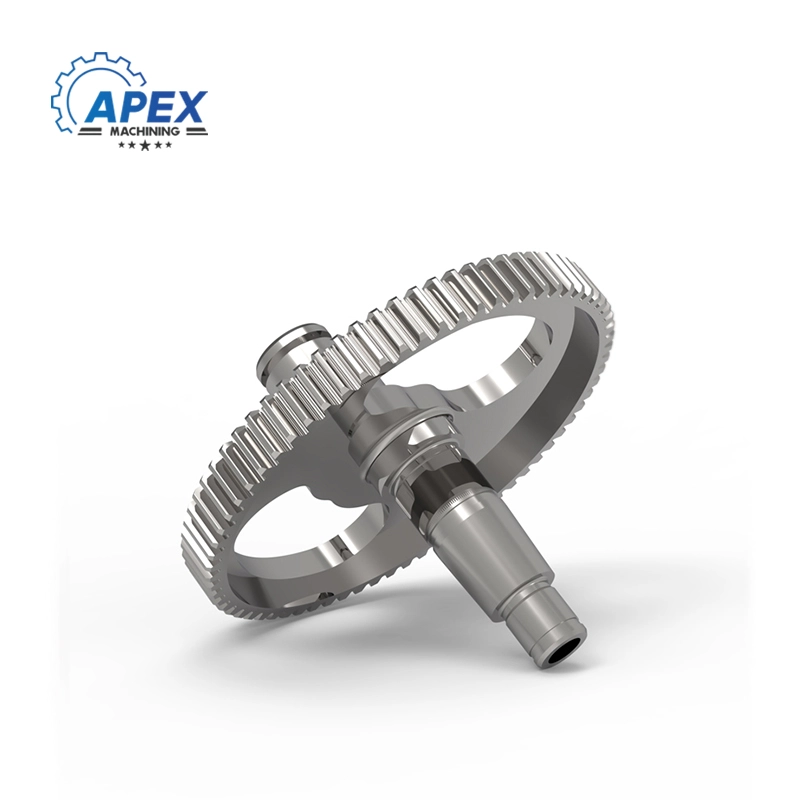
Eccentric gear for lawn mower
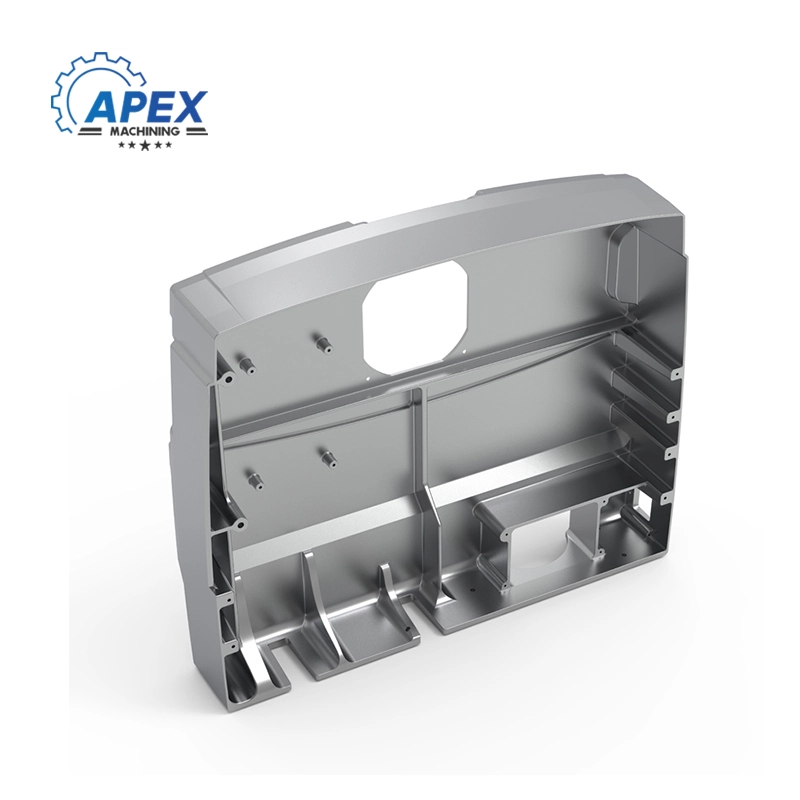
Medical testing side panels
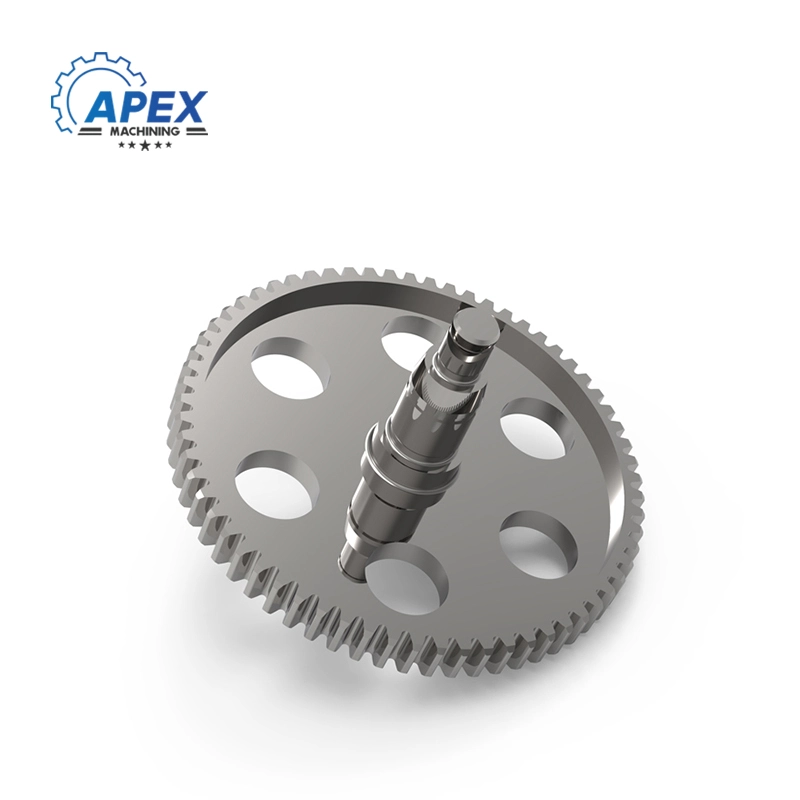
Analysis of eccentric gears for lawn mowers
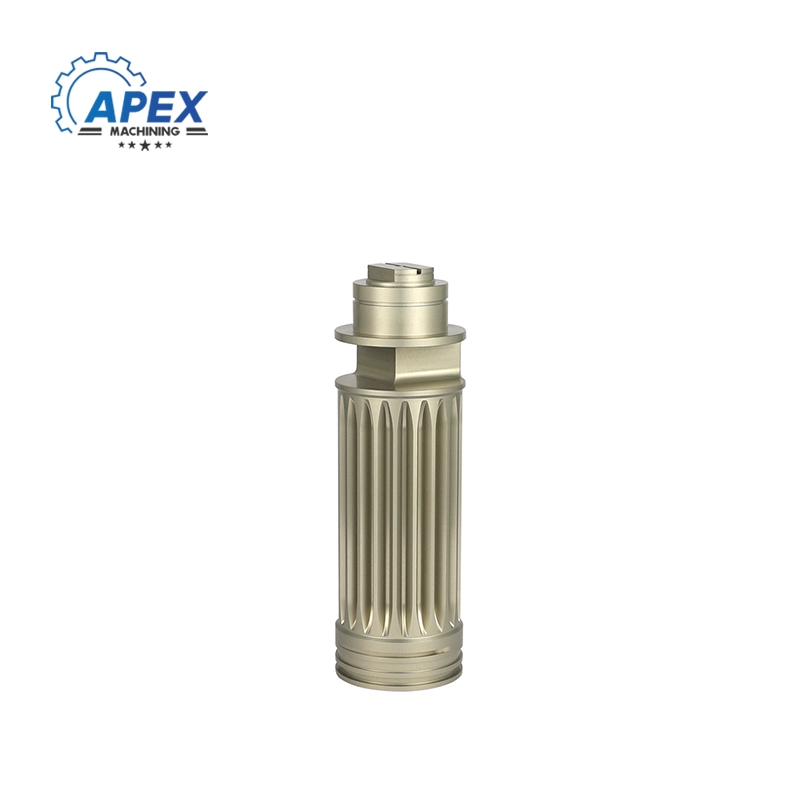
Large valve industrial gear
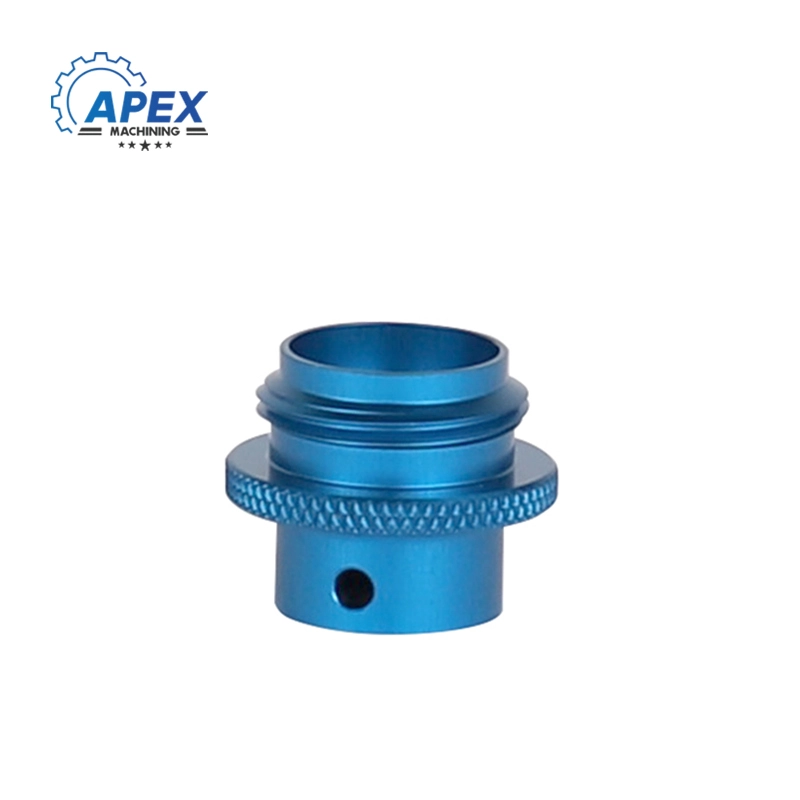
Blue anodized parts

Centrifuge Handle Seat CNC Manufacture
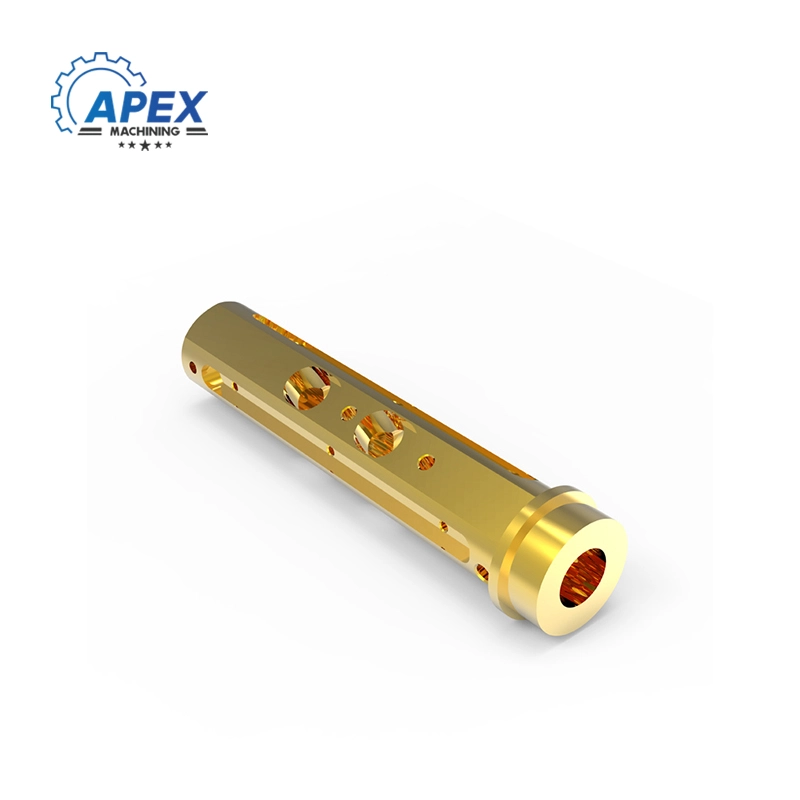
Print head core - laser printer parts
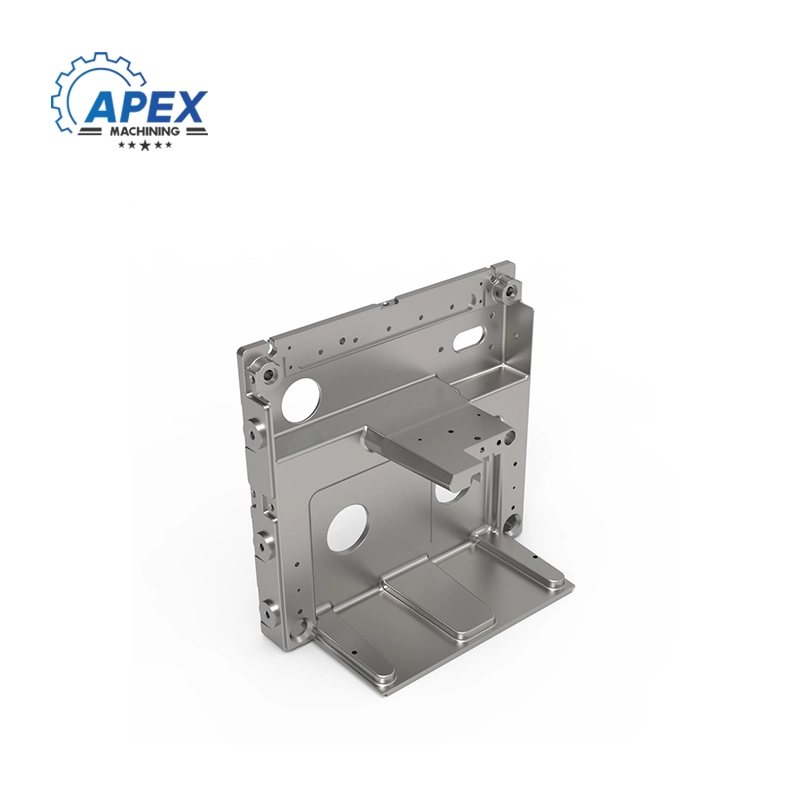
Inkjet printer bottom plate

 Whatsapp


