
Datetime:2026-01-09
In the manufacturing process of medical device components, the design phase is crucial. We need to fully consider the functional requirements, operating environment, and compatibility with other components. This not only relates to the product's safety and reliability but also affects the smooth operation of subsequent production processes. After the design is completed, material selection becomes a significant factor influencing component performance. We often need to select appropriate materials, such as medical-grade plastics, metal alloys, or composite materials, based on the requirements of different medical applications. These materials should not only possess corrosion resistance and antibacterial properties but also ensure physical and chemical stability during long-term use.
Furthermore, precision machining technology plays a vital role in component manufacturing. It directly determines the surface finish and dimensional accuracy of the product, thus affecting the assembly effect and service life of the component. In this process, we typically employ various techniques such as milling, grinding, or electrical discharge machining, making appropriate selections based on the required precision and material properties. These process requirements ensure that the components we produce not only meet stringent quality standards but also perform optimally in practical applications. Therefore, to improve our production efficiency and product competitiveness, these process requirements require detailed and comprehensive analysis and application.
Quality control plays a crucial role in our manufacturing of medical device components. First, we establish stringent quality standards during the design phase to ensure that the function and safety of each component meet relevant regulations. Next, comprehensive quality inspection is essential throughout the production process. Regular monitoring of the production line allows us to promptly identify and correct potential problems, thereby reducing defect rates. Furthermore, employing advanced quality control technologies, such as Statistical Process Control (SPC) and Failure Mode and Effects Analysis (FMEA), helps us systematically identify risks and take preventative measures in advance. These management tools not only improve our production efficiency but also ensure the reliability of the final product.
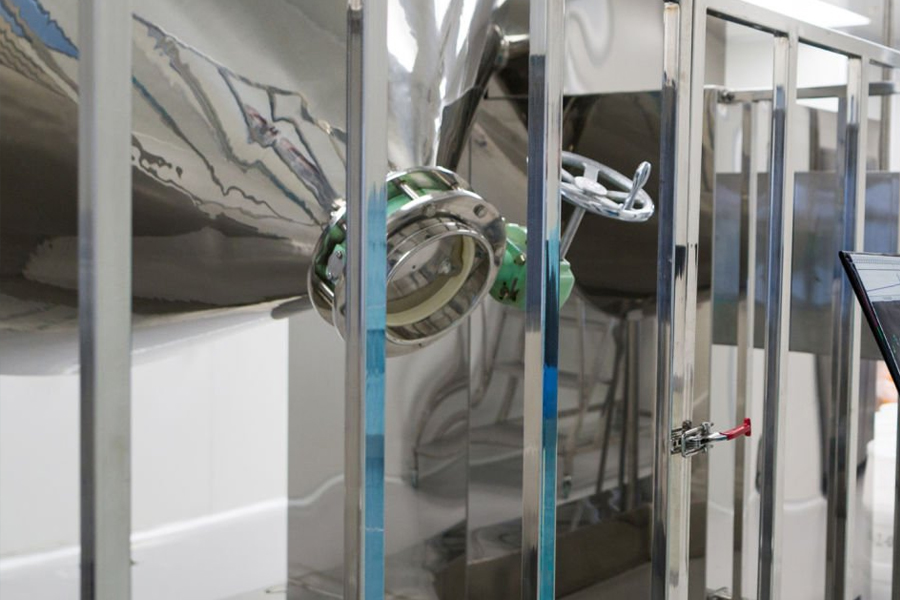
In the later stages of component manufacturing, our final inspection verifies that each product meets the prescribed technical standards. This rigorous inspection process ensures that we deliver high-quality, safety-compliant products to our customers, effectively reducing after-sales risks caused by product quality issues. Through this comprehensive quality control system, we not only enhance our manufacturing capabilities but also improve our market competitiveness, providing reliable assurance to our customers.
With continuous technological advancements, emerging technologies are playing an increasingly important role in the manufacturing of medical device components. We have observed that advanced automation and digitalization technologies are transforming traditional production processes, improving production efficiency and product quality. For example, the application of 3D printing technology enables the rapid production of components with complex shapes, reducing mold costs and production cycles. Furthermore, we see the introduction of artificial intelligence and machine learning into quality control; these technologies effectively reduce defect rates and improve product consistency by monitoring the production process in real time.
We have also noticed that the development of smart manufacturing has brought more opportunities to component manufacturing. This model utilizes IoT technology to interconnect devices, enabling smoother data flow, thereby optimizing supply chain management and shortening delivery times. At the same time, the research and application of new materials also ensure improved component performance. With the help of new alloys and polymer materials, we can create lighter, stronger, and more durable products, which directly impacts the safety and effectiveness of the final medical device.
Therefore, emerging technologies not only comprehensively upgrade production processes but also provide us with a more sustainable development path. With the in-depth implementation of the green manufacturing concept, we look forward to achieving a win-win situation for both environmental protection and economic benefits while meeting clinical needs. Application of Environmental Protection and Sustainability in Manufacturing Processes
In the manufacturing of medical device components, environmental protection and sustainability have become crucial issues that cannot be ignored. With increasing global emphasis on sustainable development and growing public awareness of health, we must consider environmental impact throughout the design and production processes. Firstly, when selecting raw materials, we prioritize recyclable and biodegradable materials, which not only reduce environmental burden but also minimize resource consumption. For example, some companies have begun using recycled plastics and bio-based materials, which not only meet performance requirements but also significantly reduce carbon emissions.
Secondly, in the production process, we strive to introduce energy-saving and emission-reduction technologies, reducing energy waste through optimized processes and equipment configurations. Simultaneously, we adopt advanced clean production technologies, such as pollution-free processes, which not only improve efficiency but also effectively control waste generation. Furthermore, we emphasize solid waste treatment, ensuring that all industrial waste generated is properly disposed of to minimize its impact on the ecological environment.
Finally, we promote green concepts throughout the entire manufacturing chain. We collaborate with suppliers, customers, and other stakeholders to advocate for environmental awareness and are committed to establishing a comprehensive supply chain system that meets environmental requirements. Through these efforts, we believe we can contribute to environmental protection and sustainable development while improving the efficiency of parts manufacturing.
Precision Metal Transmission Drives Industrial Energy
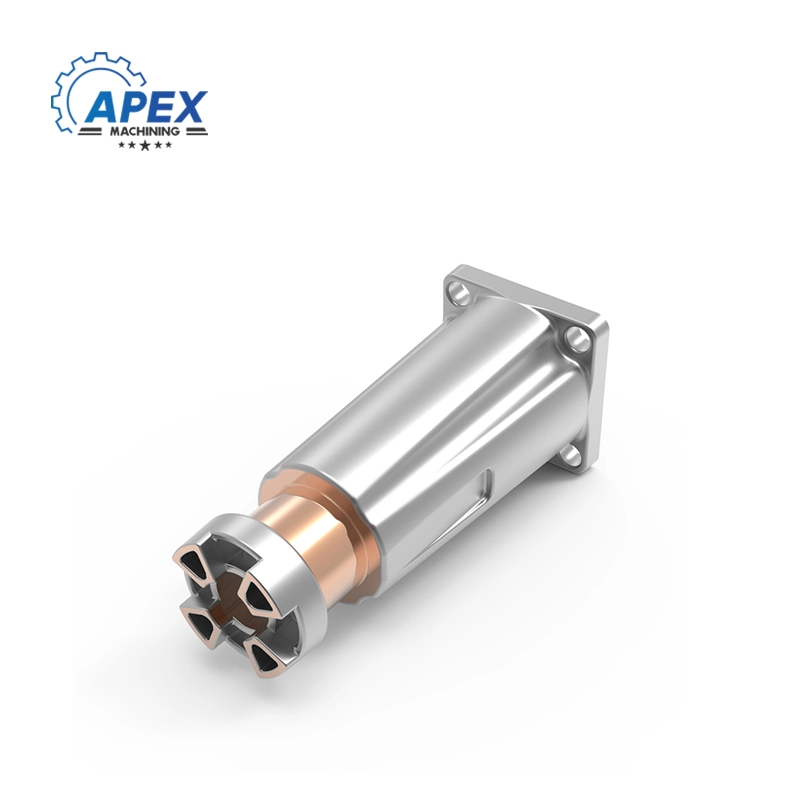
Bearing seat for lifting rod
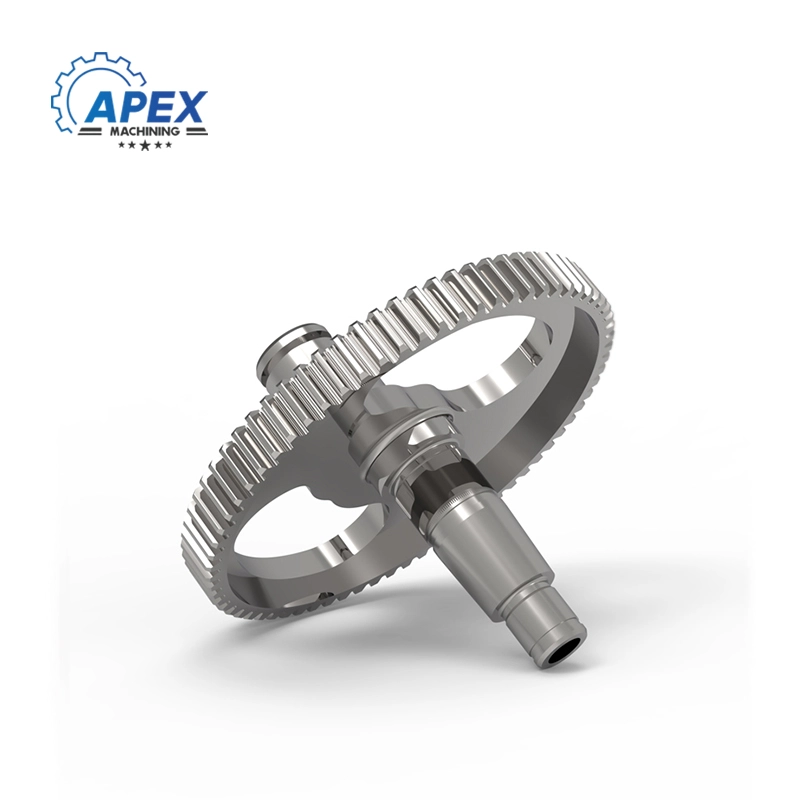
Eccentric gear for lawn mower
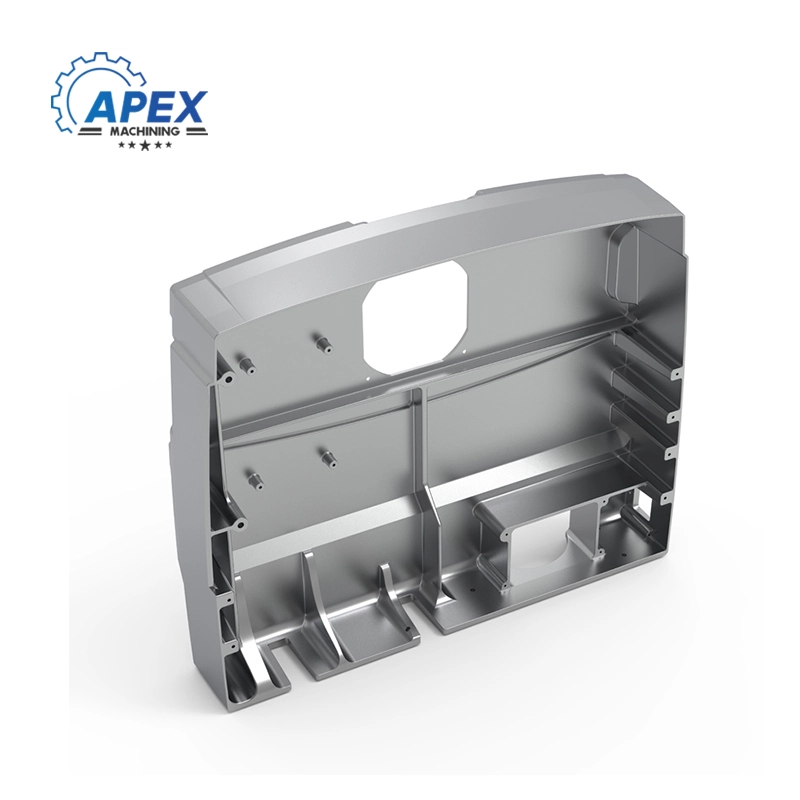
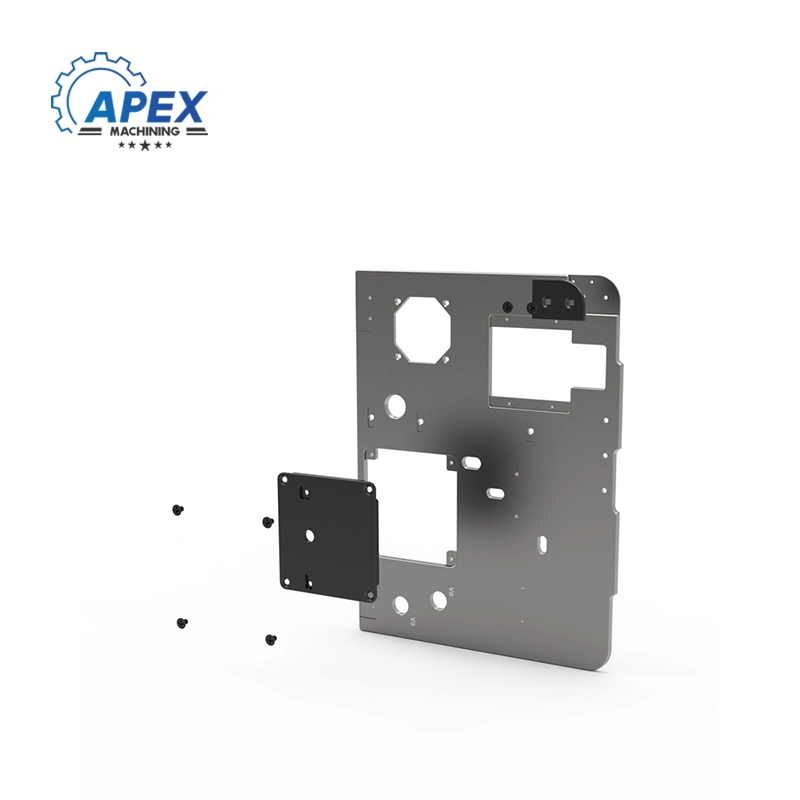
Medical testing side panels
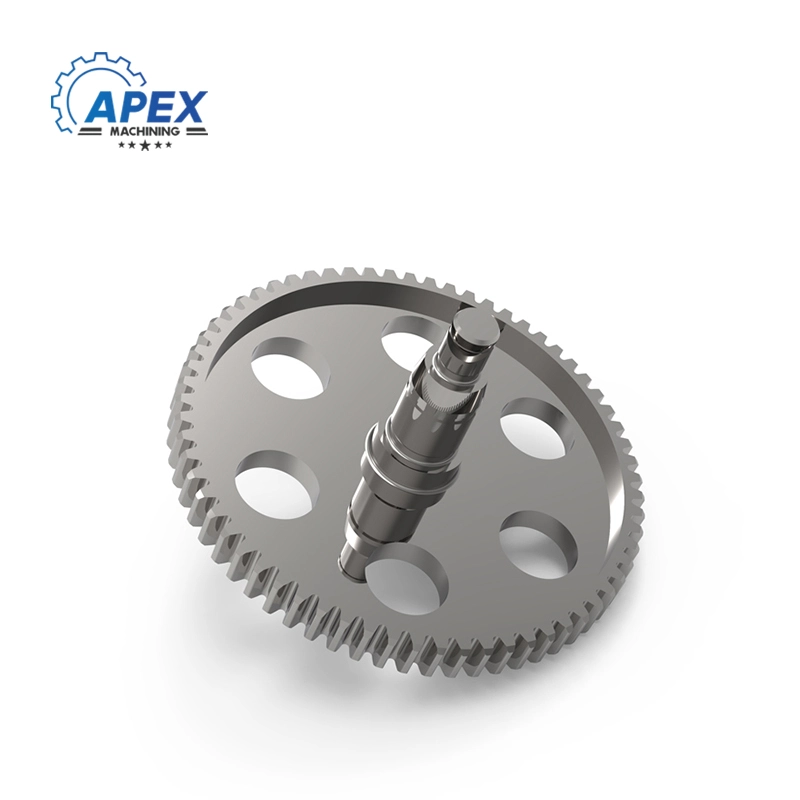
Analysis of eccentric gears for lawn mowers
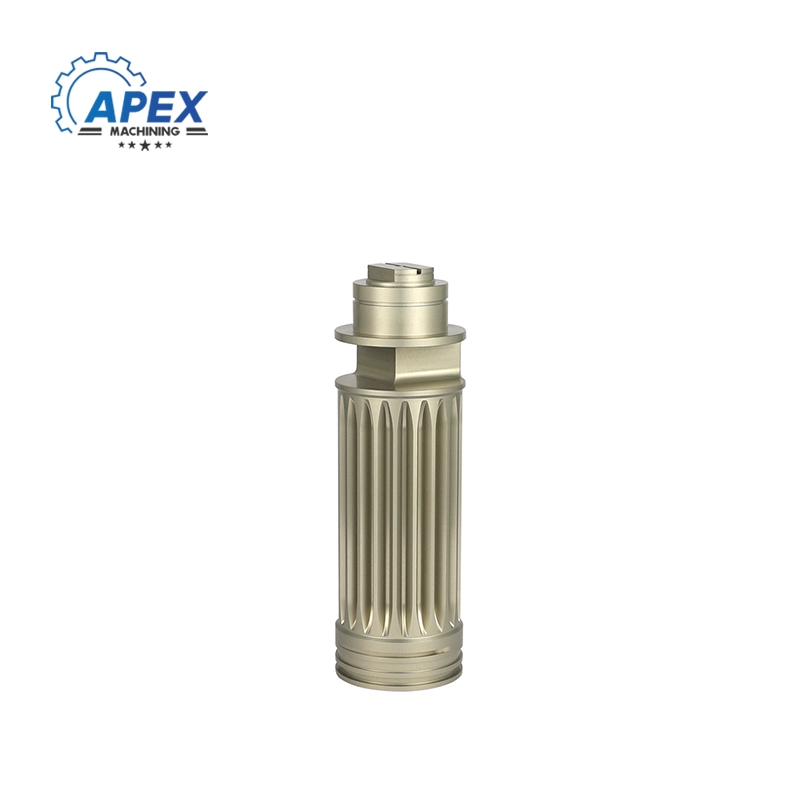
Large valve industrial gear
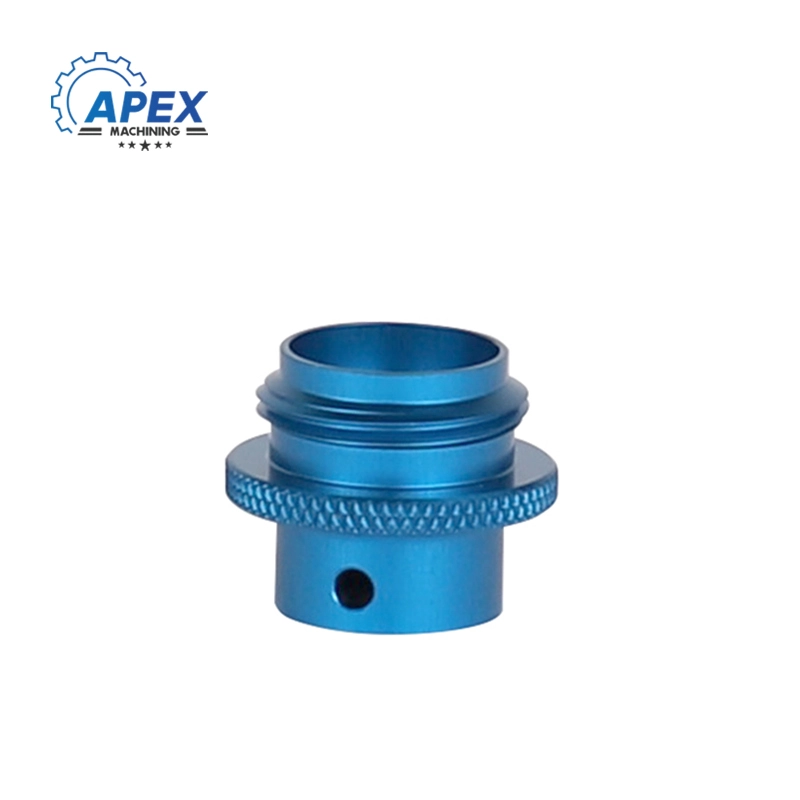
Blue anodized parts
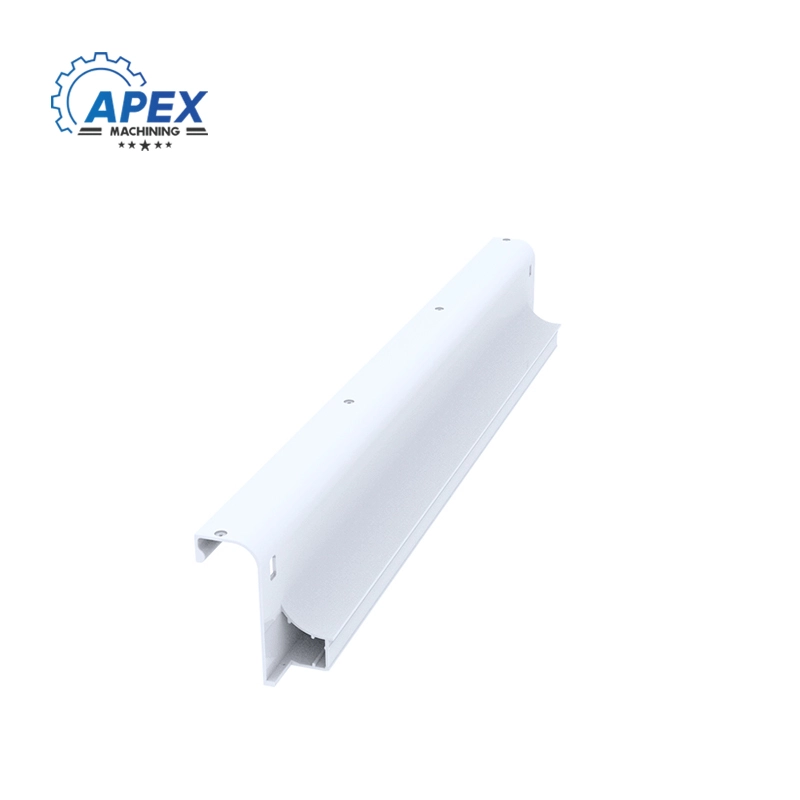
Centrifuge Handle Seat CNC Manufacture
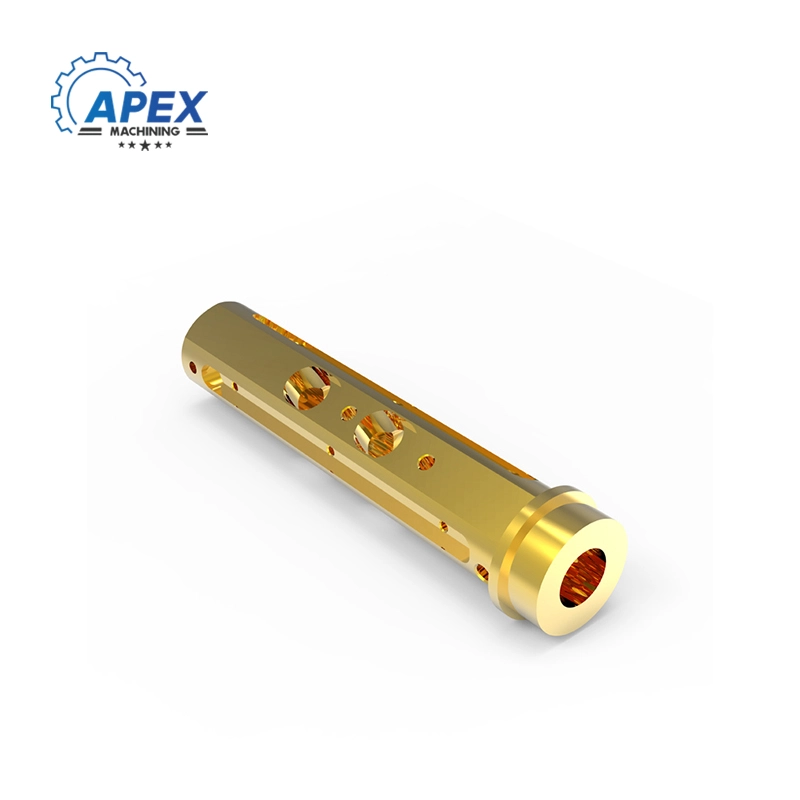
Print head core - laser printer parts
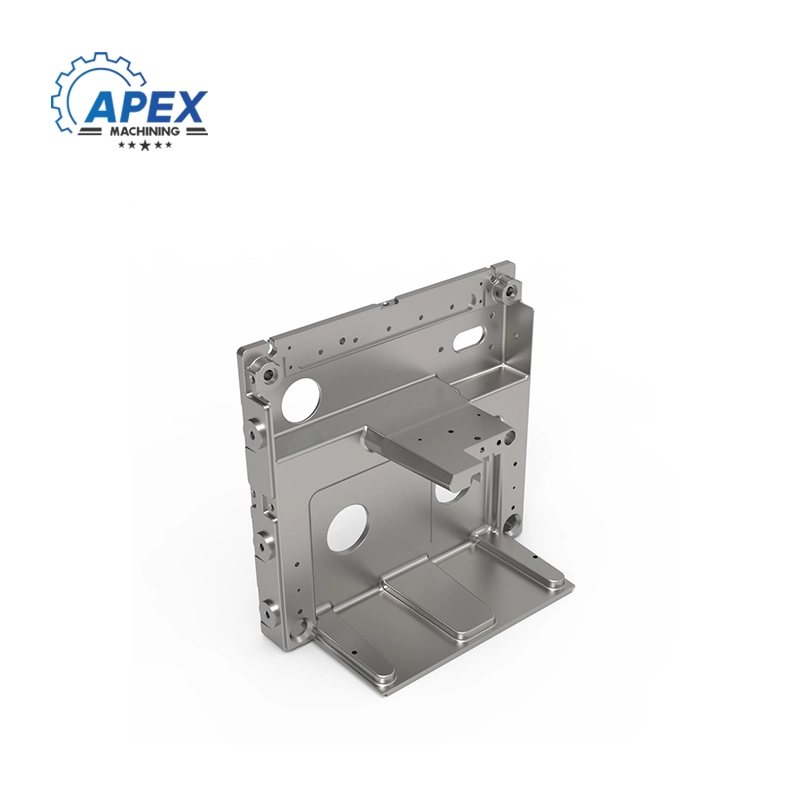
Inkjet printer bottom plate

 Whatsapp


