
Datetime:2026-02-12
In the fields of medical devices and life sciences, precision stainless steel parts are core components ensuring the performance and safety of medical devices. These include precision jaws on surgical instruments and fluid line connectors in life science analyzers. Their precision errors must be controlled at the micrometer level, and they must possess excellent corrosion resistance and biocompatibility. The quality of these parts directly affects the effectiveness of medical devices and patient safety, thus receiving significant attention within the industry.
However, traditional stainless steel processing methods often fall short of high-end requirements. Many companies encounter problems such as rapid tool wear, substandard part surface roughness, and low processing efficiency during processing. How can these bottlenecks be overcome to achieve high efficiency and precision in stainless steel precision machining?
Stainless steel itself possesses high strength and high toughness, which presents numerous challenges during processing. First, the cutting force is high and the cutting temperature is high. Stainless steel's thermal conductivity is only 1/3 that of carbon steel, making it difficult to dissipate heat quickly during cutting, concentrating near the tool edge and accelerating tool wear. Second, work hardening is severe; during cutting, the workpiece surface undergoes plastic deformation, leading to increased hardness and increased difficulty in subsequent cutting. Furthermore, the problem of tool sticking is prominent. At high temperatures, stainless steel easily softens and adheres to the tool surface, forming built-up edge, affecting the surface finish of the parts. Finally, the tool wears rapidly. The combined effect of these factors significantly shortens tool life and increases machining costs.
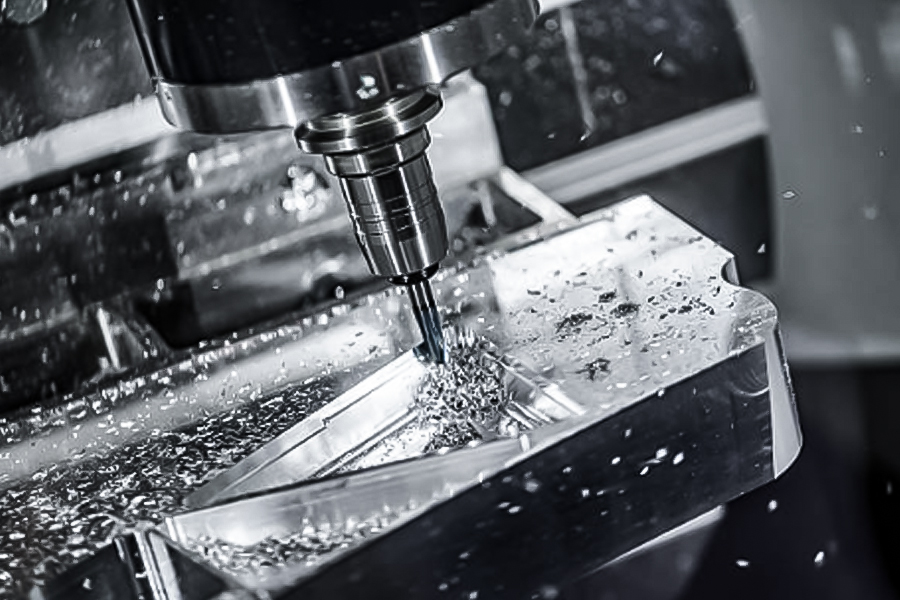
Tool selection directly affects the precision machining results of stainless steel. Traditional high-speed steel tools, due to their poor heat resistance, cannot withstand the high temperatures of stainless steel machining and are prone to rapid wear. In contrast, carbide tools have higher hardness and heat resistance, making them more suitable for stainless steel machining. In addition, tool coatings are also crucial. Coatings such as TiN and TiAlN can effectively reduce friction between the tool and the workpiece, improving the tool's wear resistance. Regarding cutting edge design, a sharp and sufficiently strong cutting edge should be selected to avoid chipping. Appropriate tool selection can increase cutting efficiency by more than 20% and extend tool life by 30%.
The essence of work hardening is the plastic deformation of the workpiece surface metal under cutting force, resulting in grain refinement and increased hardness. To address this issue, optimization of machining processes and parameter adjustments are crucial. First, control the cutting speed, avoiding excessive speed to prevent excessive plastic deformation. Second, adjust the feed rate; appropriately reducing the feed rate can decrease surface deformation. Third, employ climb milling, as the friction between the tool and workpiece is lower, effectively reducing the hardened layer thickness. Finally, use high-performance cooling lubricant to promptly remove heat from the cutting zone, reducing plastic deformation. These strategies can reduce the hardened layer thickness by 30%, significantly improving machining results.
High temperatures and tool sticking are common problems in the precision machining of stainless steel. Innovative processes can effectively solve these problems. For example, high-pressure cooling systems can spray cutting fluid at high pressure onto the cutting zone, quickly removing heat and flushing away chips, reducing tool sticking. Choosing the right cutting fluid is also important; water-soluble cutting fluids have good cooling effects, while oil-based cutting fluids offer better lubrication; the choice should be based on machining requirements. Furthermore, optimizing the cutting path to reduce the contact time between the tool and workpiece can also lower the probability of temperature and tool sticking. These measures can reduce the surface roughness of parts to below Ra0.8, decreasing the scrap rate by 15%.
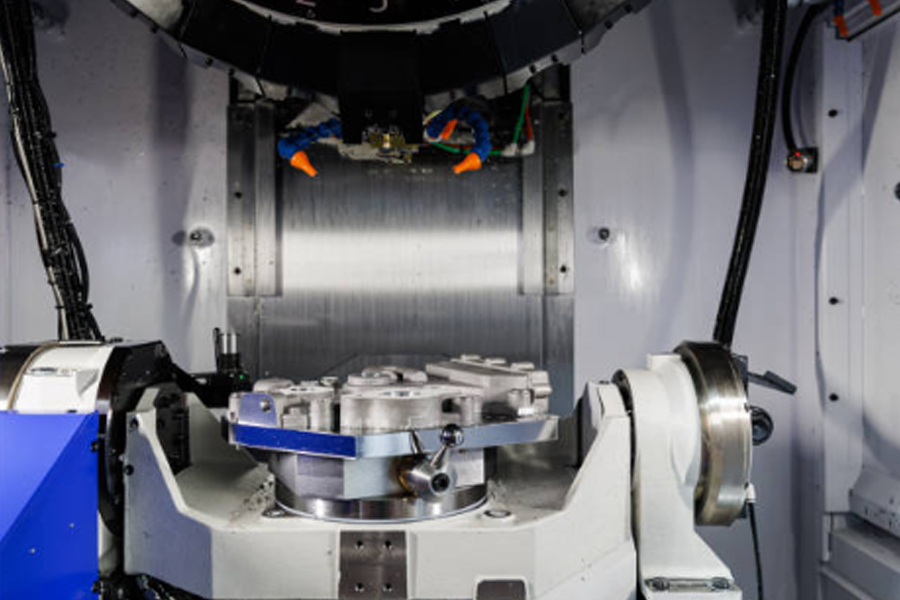
Addressing the pain points of stainless steel precision machining, professional manufacturers offer end-to-end solutions. Their equipment boasts a high degree of automation, enabling precise control of processing parameters and ensuring process stability; core components utilize imported durable materials, effectively extending equipment lifespan and reducing downtime for maintenance; the R&D team conducts in-depth research into the properties of stainless steel materials, continuously optimizing processing solutions based on customer needs; they have already provided customized processing services to numerous leading life science and medical device companies, ensuring parts precision meets industry standards and delivery efficiency meets customer requirements.
With the rapid development of the medical device and life science industries, the demand for stainless steel precision parts continues to rise. Industry data shows that the global market size for medical stainless steel parts has an average annual growth rate exceeding 8%, with even more significant growth in demand for high-end precision parts. Traditional processing methods are no longer sufficient to meet market requirements for precision and efficiency, making upgrading processing solutions an inevitable choice for enterprises.
Precision Metal Transmission Drives Industrial Energy
Bearing seat for lifting rod
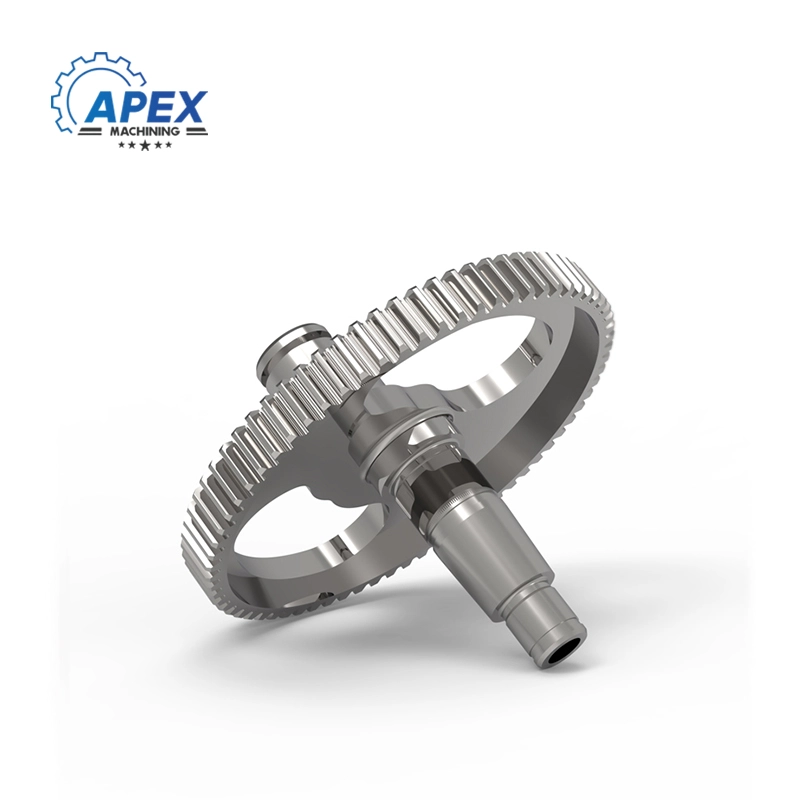
Eccentric gear for lawn mower
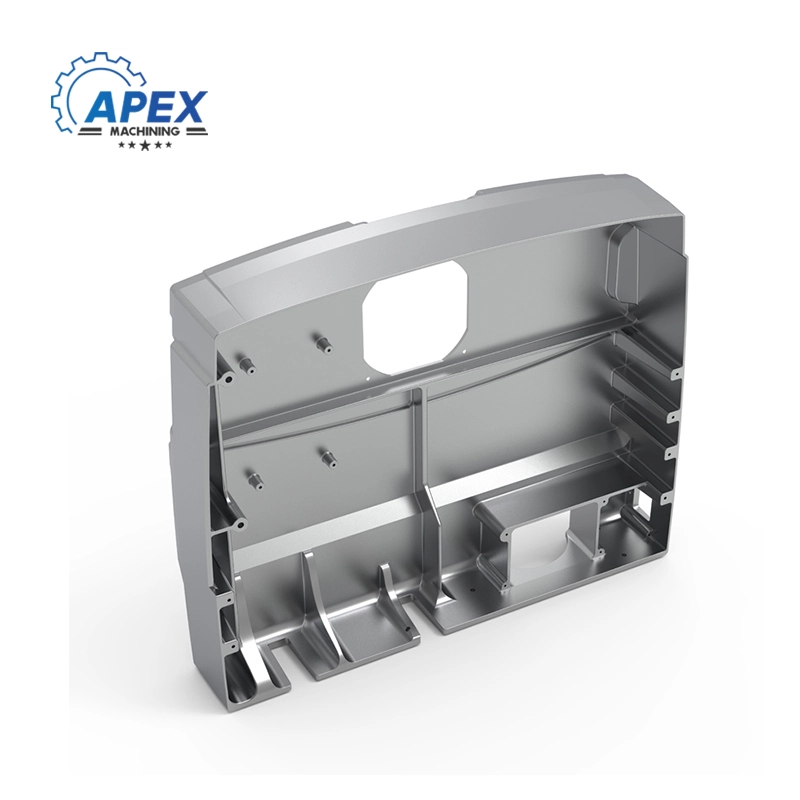
Medical testing side panels
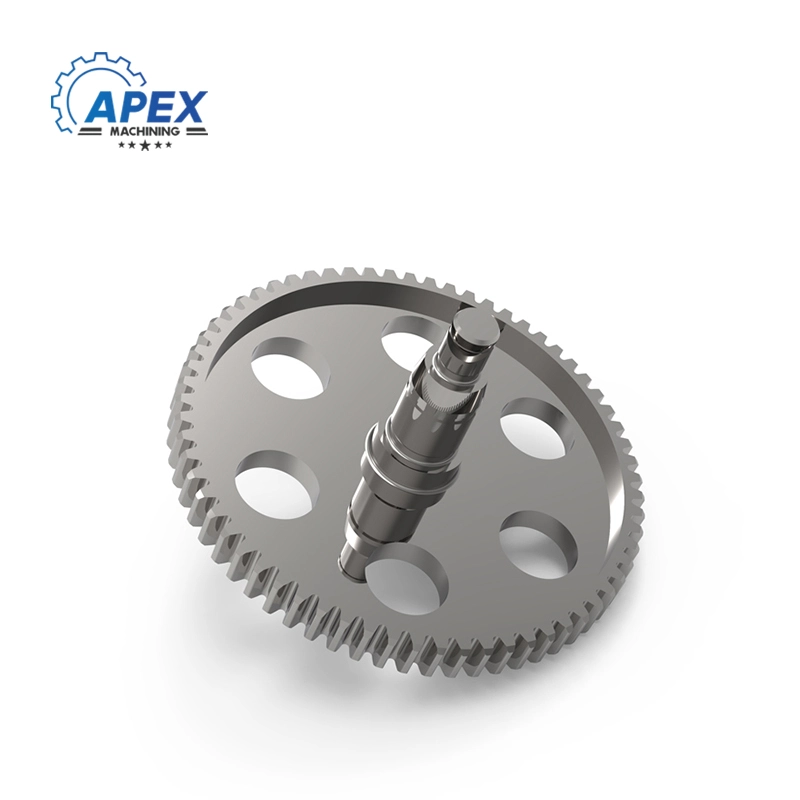
Analysis of eccentric gears for lawn mowers
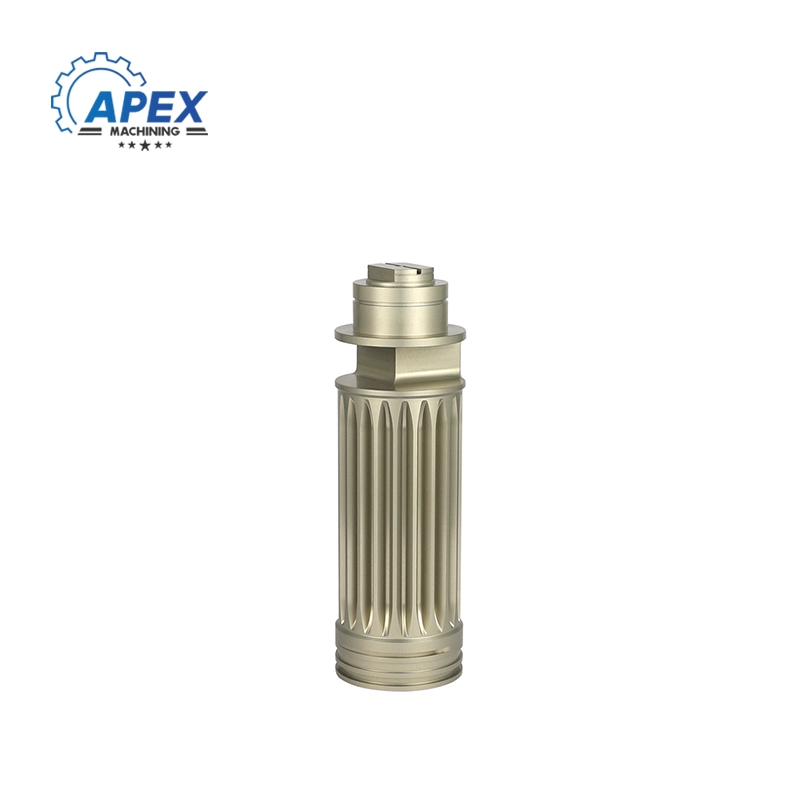
Large valve industrial gear
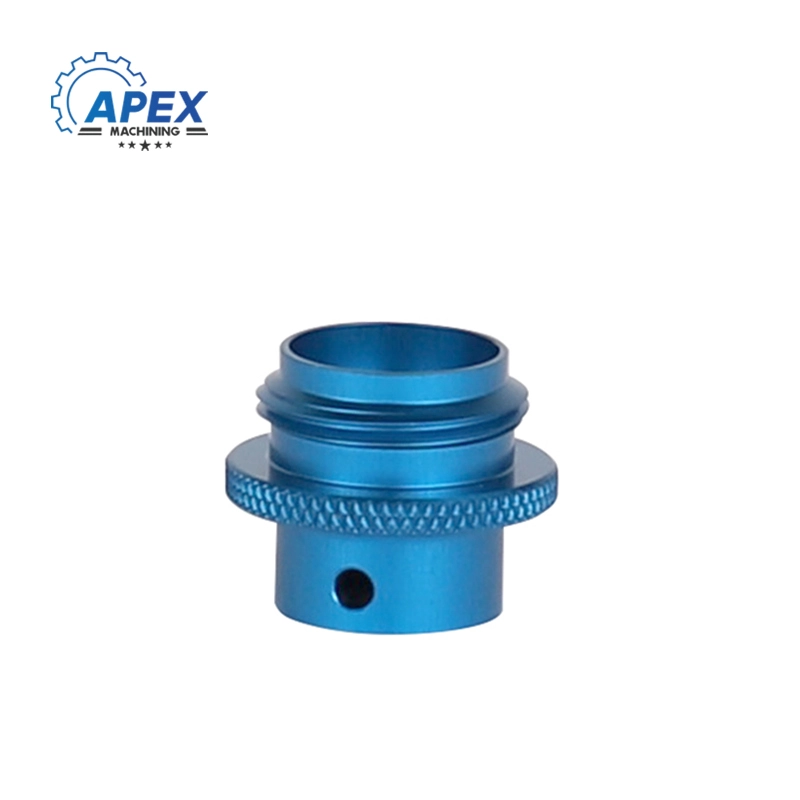
Blue anodized parts
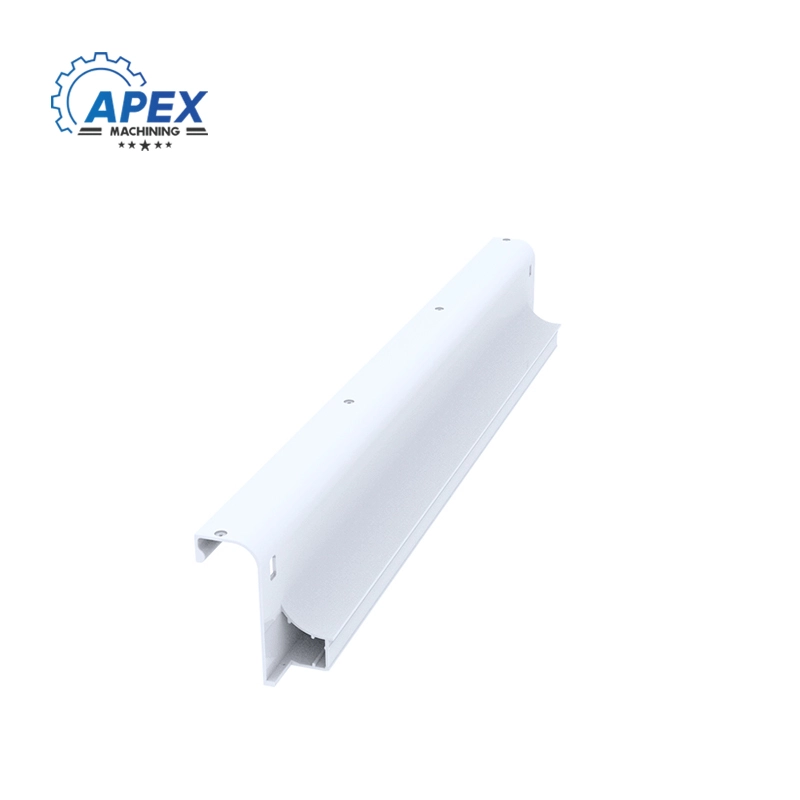
Centrifuge Handle Seat CNC Manufacture
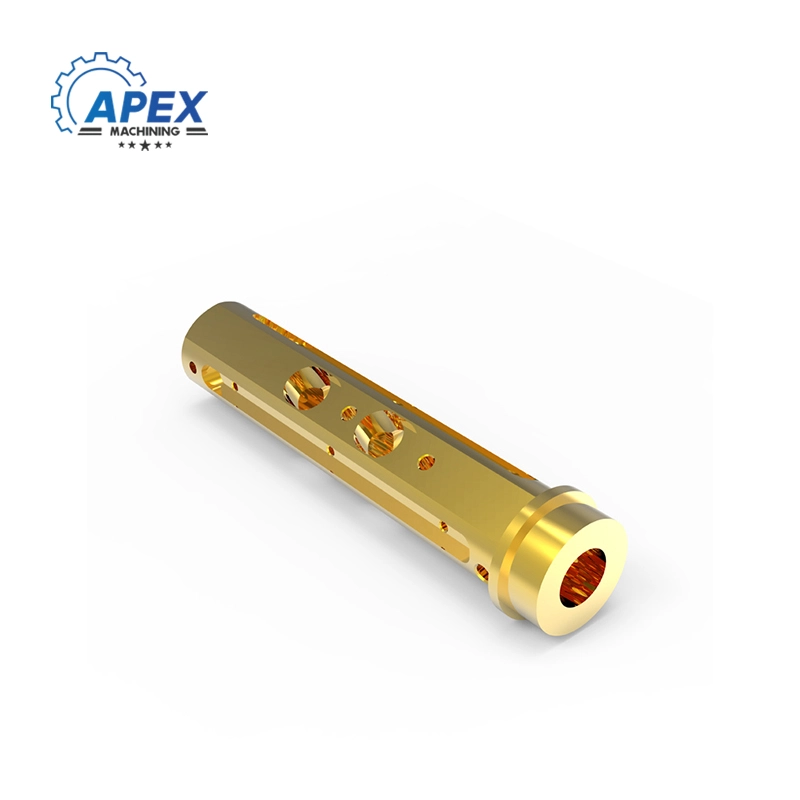
Print head core - laser printer parts
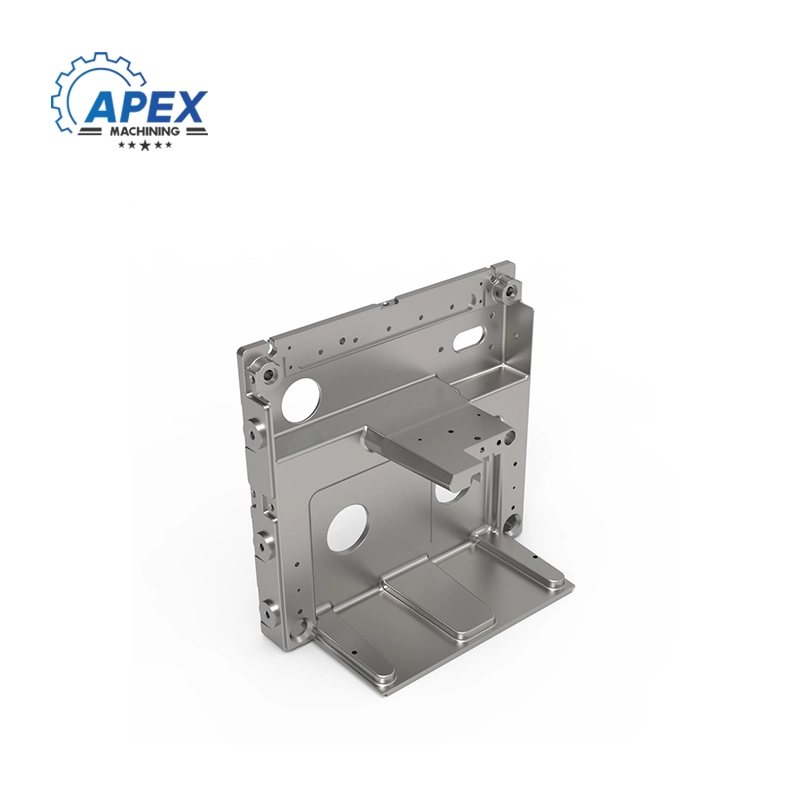
Inkjet printer bottom plate

 Whatsapp


