
Datetime:2026-01-24
In the life sciences and medical equipment sectors, many core components such as instrument housings, surgical instrument brackets, etc., rely on sheet metal fabrication. The welding quality of these components directly affects the precision, stability, and lifespan of the equipment, making it a critical factor in ensuring the safe operation of medical devices.
However, traditional welding processes often face challenges such as difficulty in controlling deformation, insufficient weld strength, or reduced corrosion resistance when dealing with different sheet metal materials. In medical applications with stringent requirements, these issues may lead to part misalignment or even affect the clinical effectiveness of the equipment. Choosing the appropriate welding process for different sheet metal materials has become a common challenge in precision manufacturing.
There are many types of sheet metal materials, each with distinct welding characteristics:
In the manufacturing of life sciences equipment, the welding characteristics of these materials directly determine the process choice. Improper handling can reduce part reliability.
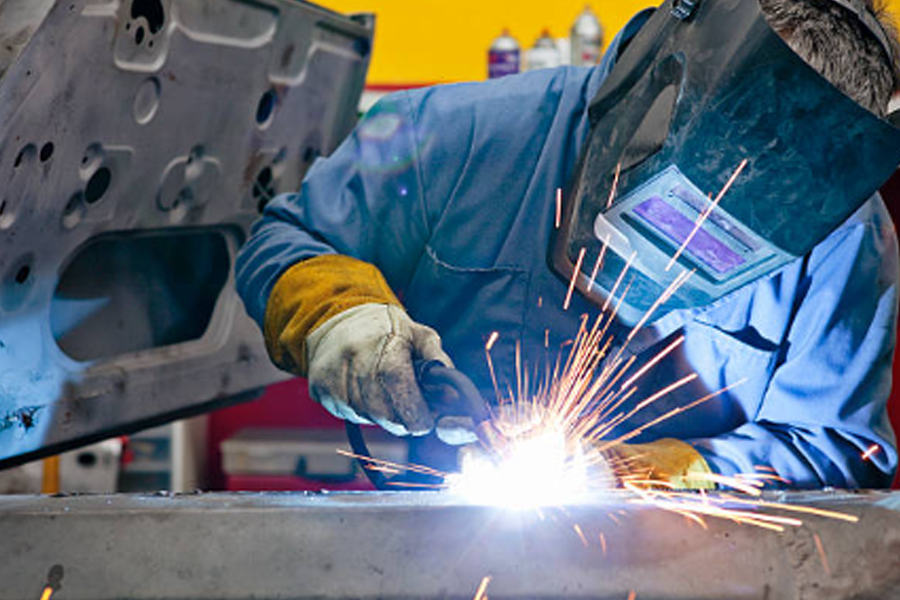
For different sheet metal materials, corresponding welding processes need to be selected:
In medical device manufacturing, laser welding is commonly used for small components like surgical tools, while gas metal arc welding is suitable for the assembly of large equipment housings.
Quality control in precision welding requires attention to several factors:
Additionally, regular maintenance of welding equipment to ensure the stability of core components is a crucial measure to improve welding quality. In the life sciences field, these control points help prevent weld defects and ensure the long-term reliable operation of equipment.
To address common issues in sheet metal welding, professional solutions leverage automation equipment for precise control, reducing errors introduced by manual operations. Core components are made from durable materials to extend equipment lifespan and reduce maintenance costs. The R&D team continually optimizes welding process parameters and develops customized solutions for different materials.
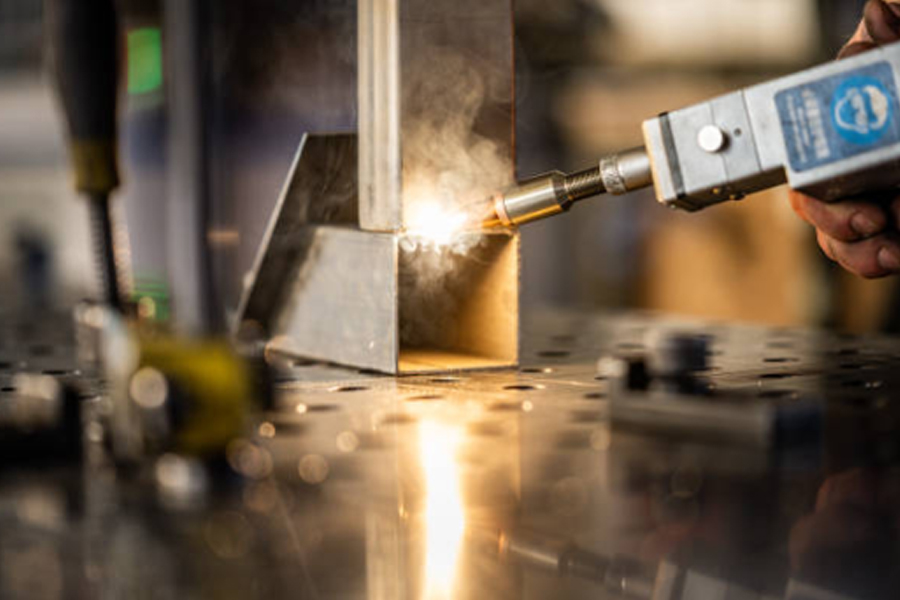
These solutions have already been successfully implemented for several well-known medical device manufacturers, with a product pass rate consistently above 99.5%, earning unanimous recognition from clients. These measures collectively enhance the consistency and reliability of welding processes, meeting the stringent demands of the life sciences field.
According to industry reports, the global market for sheet metal components in medical devices is growing at an annual rate of 8%, with increasing demand for precision welding processes. As life sciences technology advances, the precision requirements for equipment components are becoming more stringent, and traditional welding methods can no longer meet these needs.
Upgrading to professional precision welding solutions not only enhances product quality but also increases production efficiency, improving competitiveness in the market. It is recommended that relevant companies assess their existing processes and introduce advanced technologies in a timely manner to adapt to market changes.
The choice of welding processes in precision manufacturing directly affects the quality and safety of life sciences and medical equipment. Adopting the appropriate welding technology and strictly controlling the process according to the characteristics of different sheet metal materials is key to addressing industry pain points. If you are facing technical challenges in sheet metal welding, feel free to contact us for customized solutions or visit our production line to learn more about our professional technical details.
Precision Metal Transmission Drives Industrial Energy
Bearing seat for lifting rod
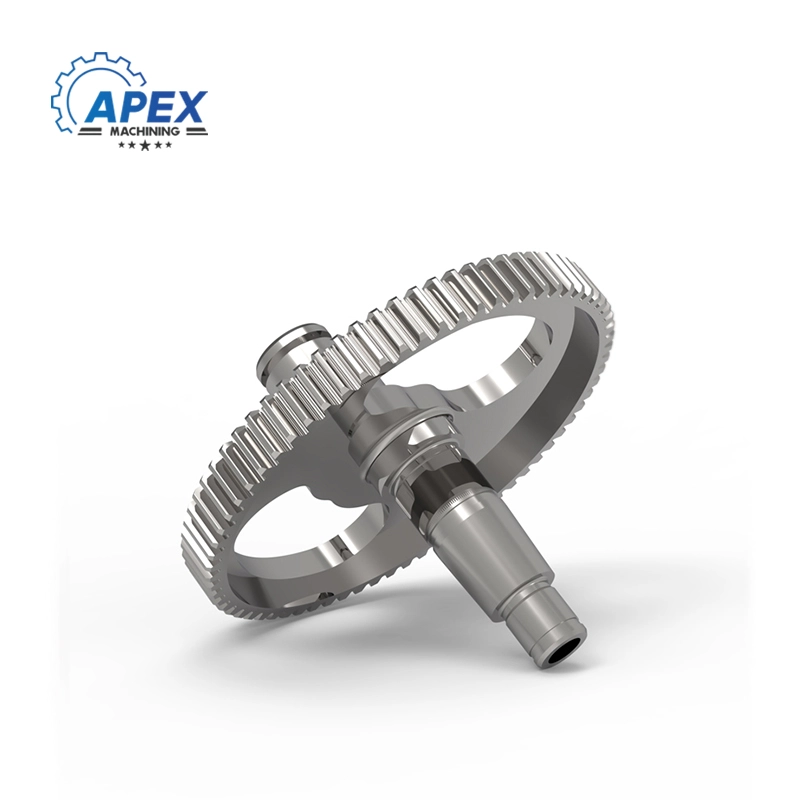
Eccentric gear for lawn mower
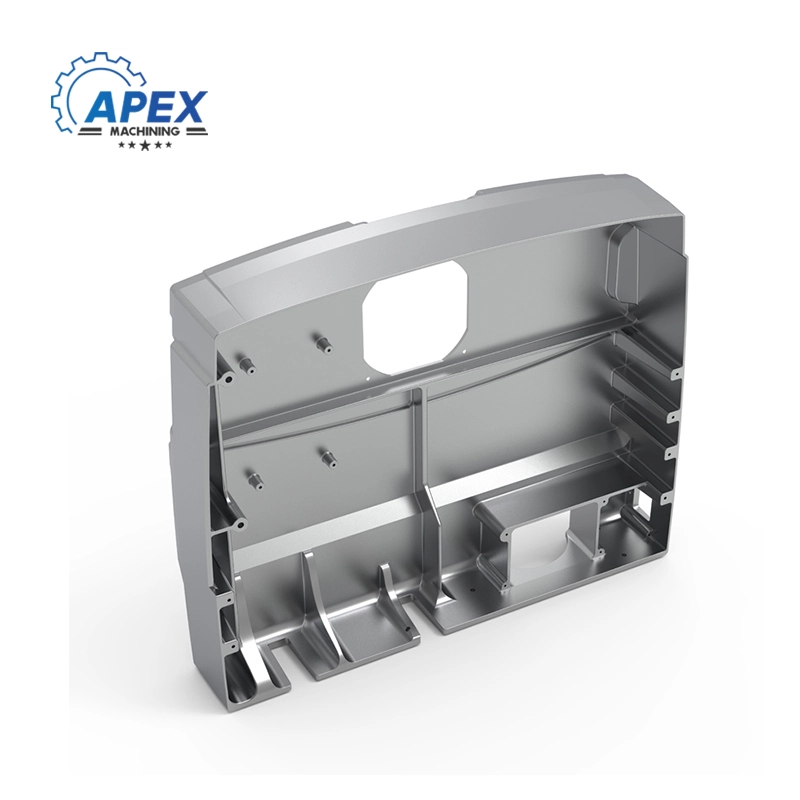
Medical testing side panels
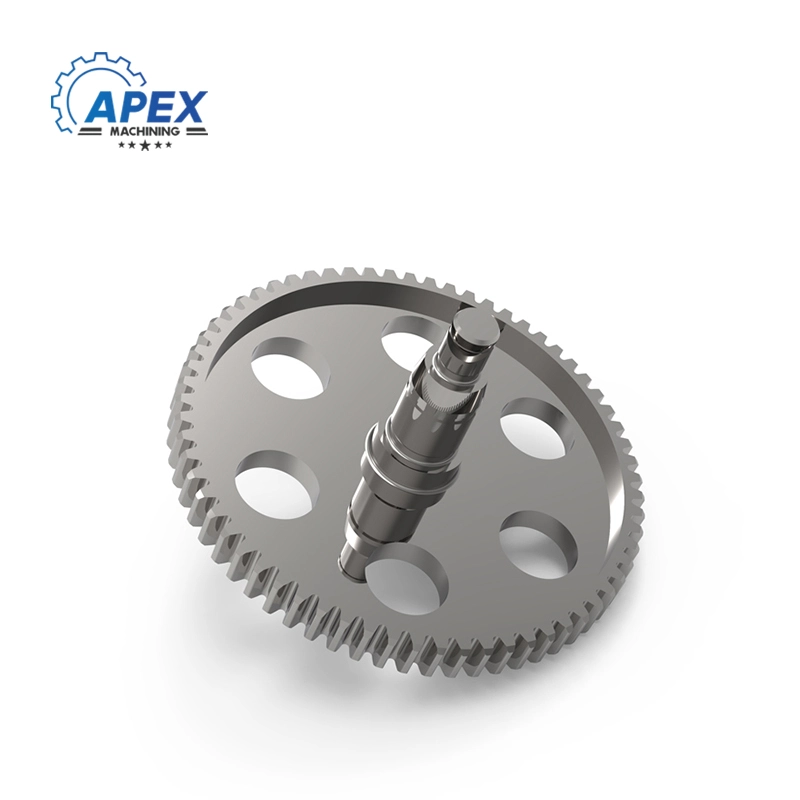
Analysis of eccentric gears for lawn mowers
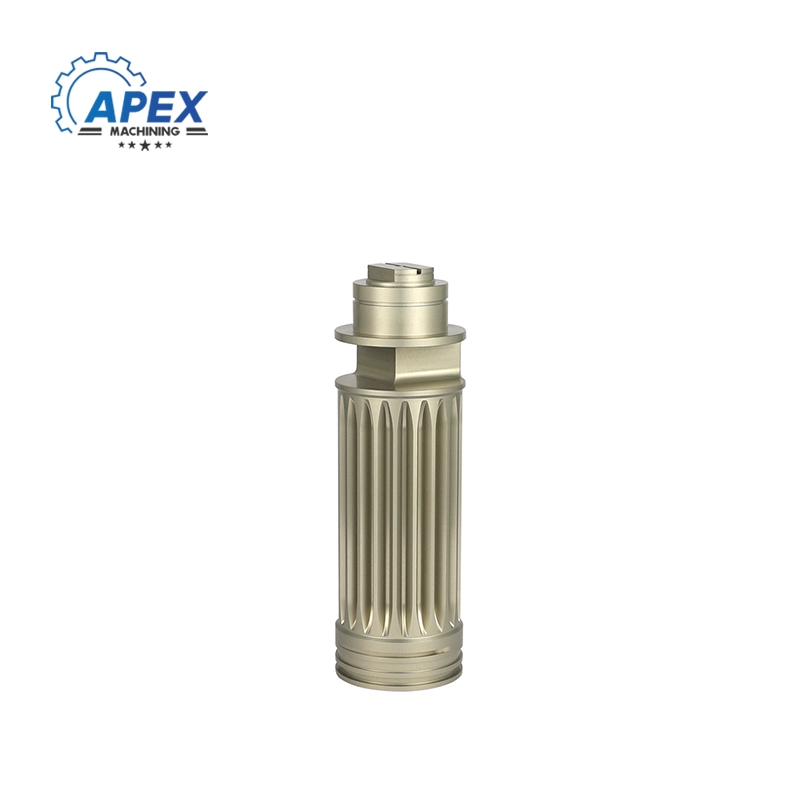
Large valve industrial gear
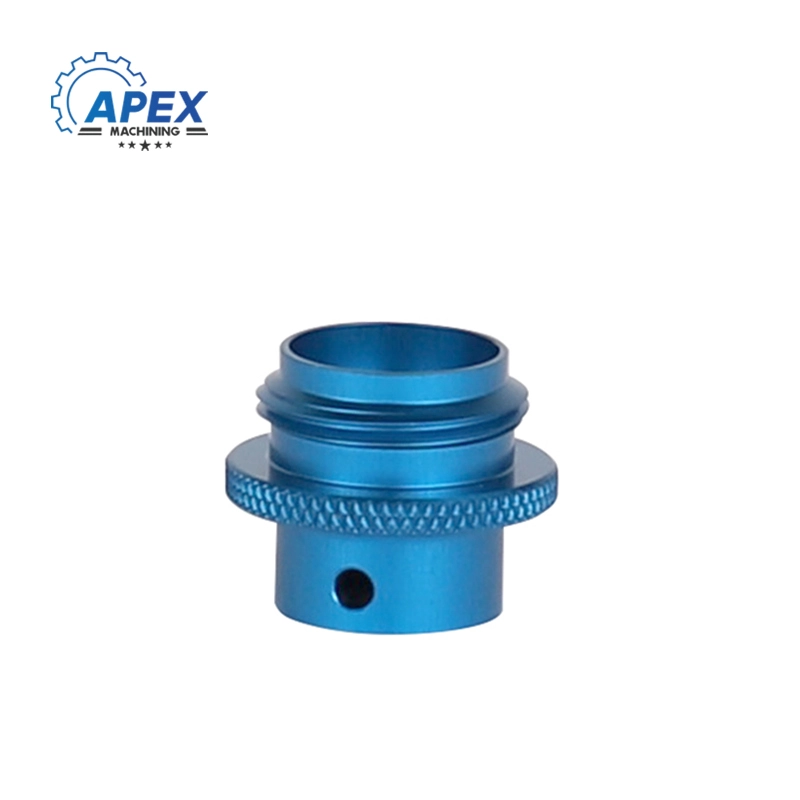
Blue anodized parts
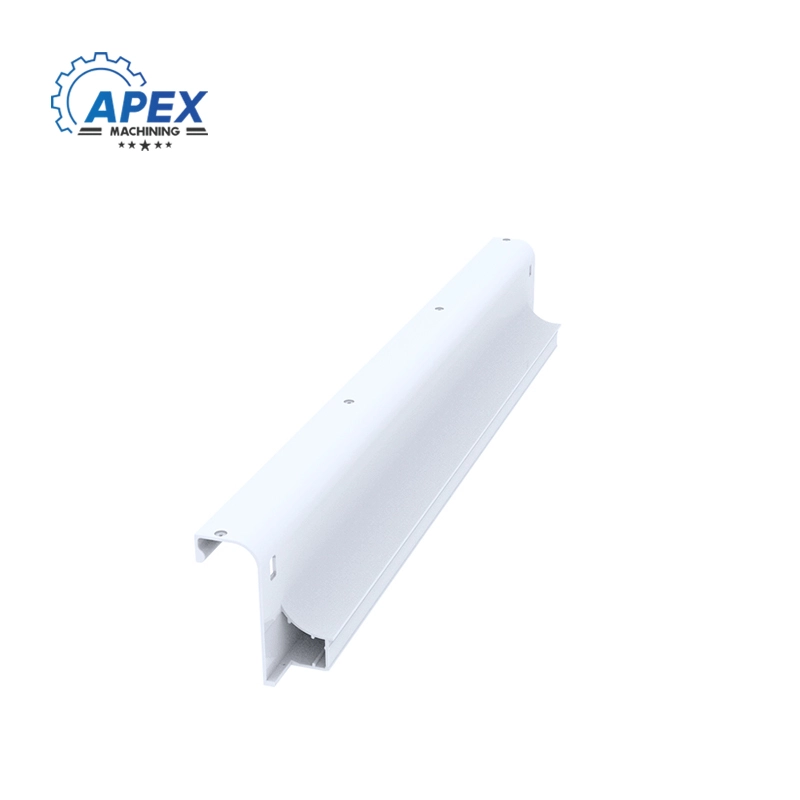
Centrifuge Handle Seat CNC Manufacture
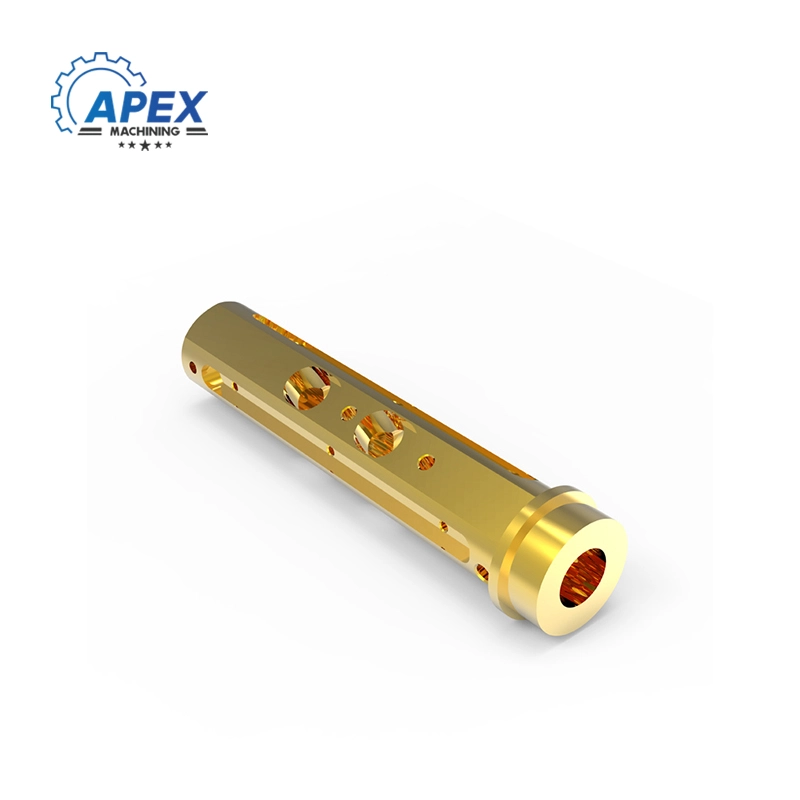
Print head core - laser printer parts
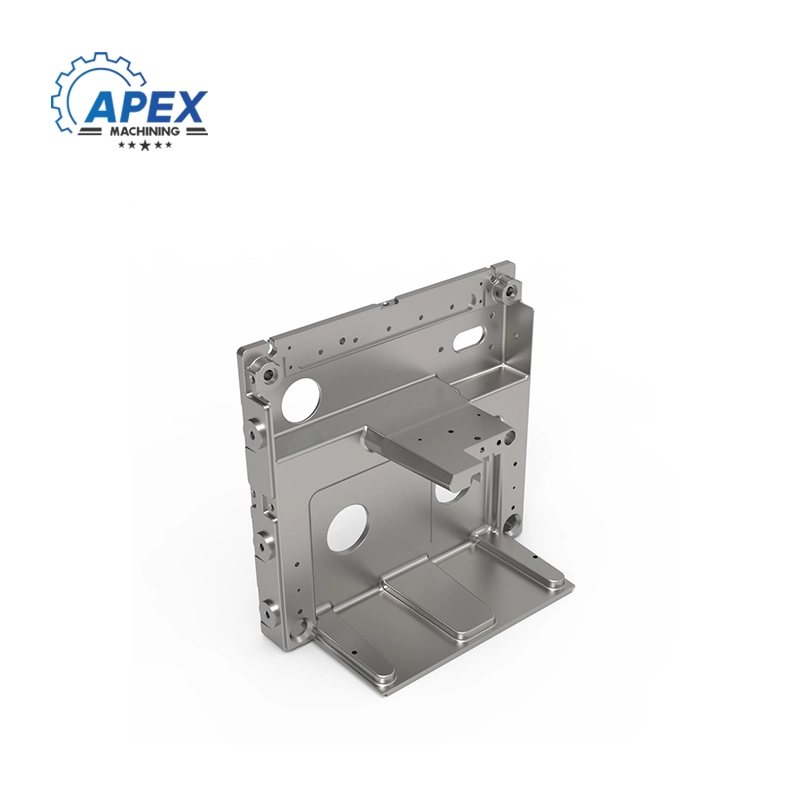
Inkjet printer bottom plate

 Whatsapp


